
Feria de Abril is Seville’s springtime fair, held two weeks after Easter on the banks of the Guadalquivir river on a purpose-built fairground called the Real de la Feria. It runs for six official days but the atmosphere begins with the alumbrado — the ceremonial lighting of the caseta lanterns — on the Monday evening, and does not fully end until the closing fireworks on Sunday night.
Food at Feria is not incidental. It is part of the structure. Every caseta (the striped marquee tent that houses each family, business, or social club at the fair) runs a kitchen, and eating at Feria follows its own logic: fried fish, snails, cold salads, and an enormous quantity of rebujito consumed across ten hours per day for almost a week.
The essential Feria foods
Pescaíto frito
Fried small fish is the defining food of Feria, and more broadly of Andalucia’s coastal food culture. At the fair, pescaíto frito arrives on butcher paper or in a paper cone: a mix of whole small fish and rings, dusted in flour (specifically a fine semolina-style harina de pescado) and fried in very hot olive oil until the exterior is golden and the interior just cooked through. The fish are eaten whole, including the bones of the smallest varieties.
The standard mix includes boquerones (fresh anchovies), chopitos (baby cuttlefish), pescadilla (small whiting), and acedías (small sole). A ración at a caseta costs €15 to €18. The quality indicator is temperature: pescaíto frito must be eaten immediately. Fish left under a heat lamp loses the crispness within minutes.
Caracoles
Braised snails are a Feria staple that surprises visitors who did not expect to find them. Caracoles at Feria are cooked in a spiced broth of tomato, garlic, cumin, bay leaf, and sometimes morcilla (blood sausage), served in a bowl with a toothpick for extraction. The flavour of the broth is more prominent than the snails themselves, which are mild and slightly chewy.
A bowl of caracoles costs €6 to €8. Eating them correctly requires a toothpick and patience: you extract each snail from its shell, discard the hard operculum (the protective cap), and eat the body. Some people also drink the remaining broth from the bowl, which is not compulsory but perfectly acceptable.
Montaditos and pringá
Small open-faced sandwiches are served at most casetas as bar snacks to accompany the rebujito. The most Sevillian of these is pringá: slow-cooked pork, chorizo, and morcilla, shredded and mixed together with rendered fat, served warm on small pieces of bread. Pringá is the kind of dish that requires no further description — eat it and understand why Seville has been making it for centuries.
Papas aliñás
Cold potato salad dressed with olive oil, sherry vinegar, parsley, and spring onions. Simple, acidic, and precisely the right thing to eat between glasses of rebujito in April heat. A plate costs €4 to €6. Often served as a complimentary tapa with drinks at smaller casetas.
Jamón and cheese boards
At the more formal casetas — those with sit-down dining areas rather than standing bar sections — jamón ibérico de bellota and aged manchego are served on wooden boards as starters before the main meal. These are the private casetas that function as lunch and dinner clubs during Feria week, serving proper meals that run from 3pm to 6pm and from 10pm to 1am.
What to drink
Rebujito is the official drink of Feria. Manzanilla sherry mixed with Sprite or 7-Up at a ratio of one to three, served over ice in a tall jug called a jarra. A jarra costs €14 to €16 at most casetas and serves three to four people. This is what everyone is drinking and there is a good reason for it: Feria runs from noon until 6am and rebujito is diluted enough to sustain that duration without consequences that arrive before the fair ends.
Manzanilla solo (straight, no mixer) is available at most casetas and is the choice of people who prefer their sherry undiluted and cold in a small copita glass. Fino also appears. Caña (draught beer) is available everywhere and is not the Feria choice but is present.
For non-drinkers: agua de cebada, a sweet barley water drink, is traditional at Feria and occasionally available at public casetas. It is mildly flavoured, cold, and serves the same thirst-quenching function as rebujito for those not drinking alcohol.
Types of caseta and how to access them
Casetas are either private or public. Private casetas are run by families, peñas (social clubs), political parties, or businesses and require an invitation from a member to enter. They range from modest family tents to enormous structures seating five hundred people with full kitchens, stages, and bars. The food in private casetas varies from homemade traditional cooking (the best option if you can get in) to catered meals from professional kitchens.
Public casetas are run by the city and the districts of Seville and are open to everyone without invitation. There are several of them along the main thoroughfares of the fairground. The food and rebujito are the same as in private casetas and the atmosphere is genuinely festive. For visitors without connections in Seville, public casetas are the correct way to experience Feria food and drink.
The fairground also has outdoor food stalls along the main streets (calles) between casetas. These sell the same pescaíto frito, churros, and snacks as the casetas but without the need to enter a tent. Quality varies.
Eating Feria food outside the fairground
The Feria diet is available throughout Seville during fair week. Bars and restaurants in Triana (across the river from the fairground) and in the city centre serve pescaíto frito, caracoles, and montaditos at non-Feria prices. If you want to eat the food without the pressure of finding caseta access, any traditional tapas bar in Triana during Feria week will have everything you need for significantly less money.
Practical notes for eating at Feria
Timing: The fairground opens at noon and the casetas run food service through the afternoon (lunch from 2pm to 5pm) and again in the evening (dinner from 10pm onward). The primary activity at Feria is dancing sevillanas, not eating, so food is consumed in the gaps between dancing. Do not expect a structured sit-down meal at a caseta unless you are in a formal private one with assigned seating.
Budget: Plan €30 to €50 per person per day for food and rebujito at Feria. A ración of pescaíto frito (€15-18), a bowl of caracoles (€6-8), several montaditos (€2-4 each), and two or three jarras of rebujito across the day accounts for most of this.
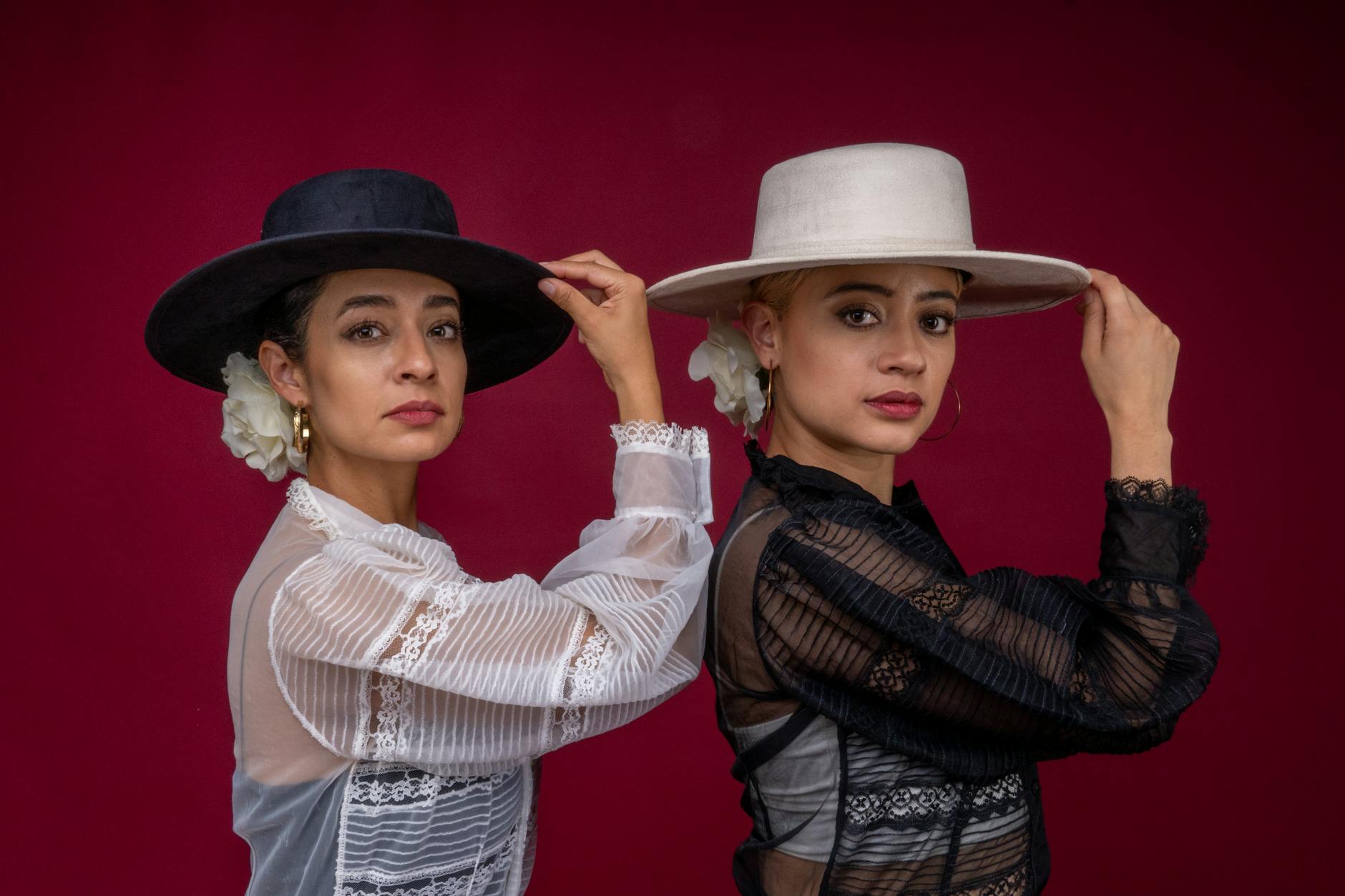
Dress: Traje de gitana (the flamenco dress) for women and traje corto (short jacket, high-waisted trousers) for men are the correct dress for Feria. Jeans and trainers are technically not prohibited in public casetas but will make you visibly conspicuous. Many people visiting Seville for Feria rent or buy a traje de gitana for the week from the numerous rental shops that open in the months before the fair.
When to arrive: The fairground is quietest between noon and 3pm and between 6pm and 9pm. Peak hours are 4pm to 6pm (afternoon session) and midnight to 3am (late-night session). If you want to eat at a bar or stall without queuing, aim for the shoulder periods.
Frequently asked questions
What is the best food to eat at Feria de Abril?
Pescaíto frito is the single dish most associated with Feria. After that: caracoles, pringá montaditos, and papas aliñás. Eat them in the order they are served — snails and cold potato salad while standing at the bar, pescaíto frito when you sit down.
How much does food cost at Feria de Abril?
Budget €30 to €50 per person per day for food and drinks. Pescaíto frito runs €15-18 per ración, caracoles €6-8, montaditos €2-4 each, and a jarra of rebujito €14-16. Public casetas are broadly the same price as private ones for food and drink.
Can anyone go to Feria de Abril?
The fairground is public and anyone can enter and walk the streets. Public casetas are open to all. Private casetas require an invitation from a member. Visiting Seville during Feria week without knowing locals is perfectly manageable — the public casetas and the fairground streets provide the full experience.
What is rebujito?
Rebujito is manzanilla or fino sherry mixed with lemon-lime soda at a ratio of one part sherry to three parts soda, served over ice. It is the drink of Feria de Abril and is consumed in jarras (one-litre pitchers) throughout the day. See our complete rebujito guide for more detail.
When is Feria de Abril 2025?
Feria de Abril takes place two weeks after Easter Sunday each year. The dates shift annually with the Easter calendar. Check the Seville city council (Ayuntamiento de Sevilla) website for the exact dates for the year you are travelling.
Planning Seville beyond Feria? Read our guide to the Triana tapas crawl and our recommendations for eating in Santa Cruz without the tourist markup.
Found a correction or an update?
Email us at hello@spainfoodguide.com — we keep our entries current.
Run a restaurant in Spain you think we should know?
Get featured →