Spain Food Guide
Destinations
Spain isn’t one cuisine — it’s seventeen. Pick a region and start eating.
A Madrileño cook reaches for paprika and pork; a Valencian reaches for short-grain rice and saffron; a Basque cook reaches for cod and an open flame. Each of Spain’s regions has its own grammar — its own staple grain, its own fat, its own way of treating the sea or the mountain or the orchard out back.
That regional grammar is what makes Spain such a rewarding place to eat. The country runs from the green Atlantic north — txakoli, cider, grilled turbot — down through the dry Castilian plateau of roast lamb and aged sheep cheese, into Mediterranean rice country, the citrus and almond orchards of Valencia, the olive groves and gazpacho of Andalusia, and out to the Balearic and Canary islands where the cooking borrows as much from North Africa and the Caribbean as it does from the mainland.
Below is our regional map — every city we cover, what makes its food worth a flight, and where to start when you land. Click any destination to read every story we’ve published from that part of the country.
The Mainland
Cities & regions of peninsular Spain
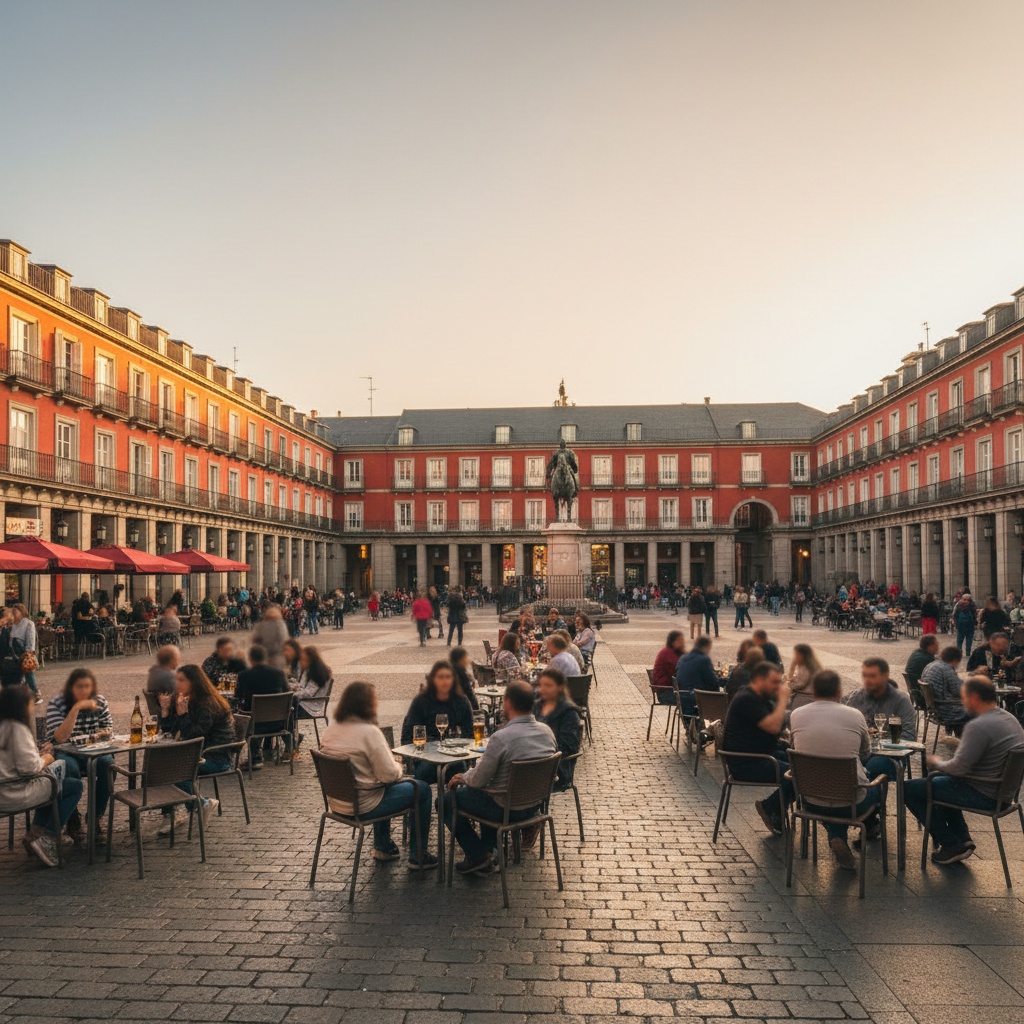
Madrid
A capital that eats late and well. Vermouth bars at midday, taverns slinging callos and cocido at 3pm, and the country’s deepest stage for chefs from every other region. The best place in Spain to taste everything else in Spain.
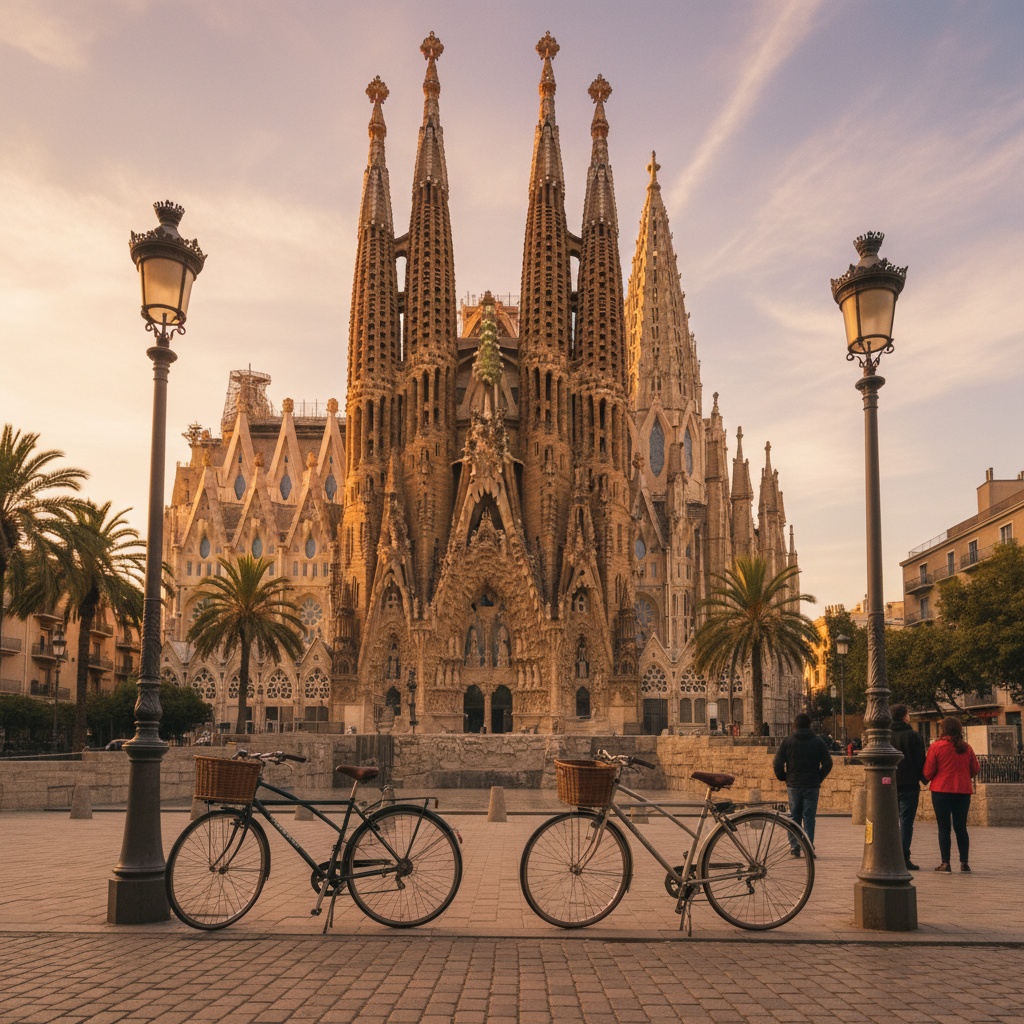
Barcelona
Catalan cooking at its full register: pa amb tomàquet, esqueixada, fideuà, calçots in season. A city that put modernist tasting menus on the world map but still queues for a vermouth and an anchovy at 1pm.
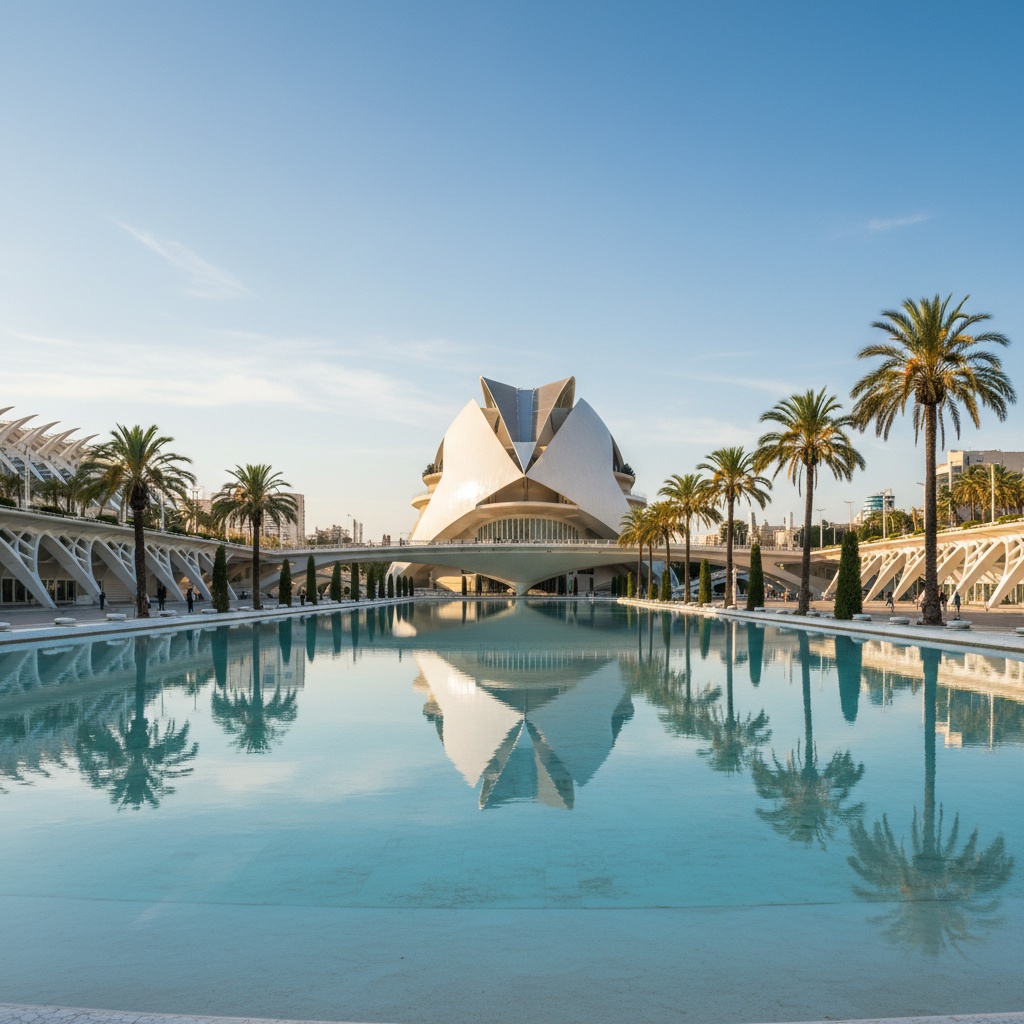
Valencia
The home of paella — real paella, not the saffron-yellow tourist version. Rice country, citrus country, horchata country. Eat lunch at an Albufera rice house and you’ll understand why the rest of Spain defers to Valencia on the subject.
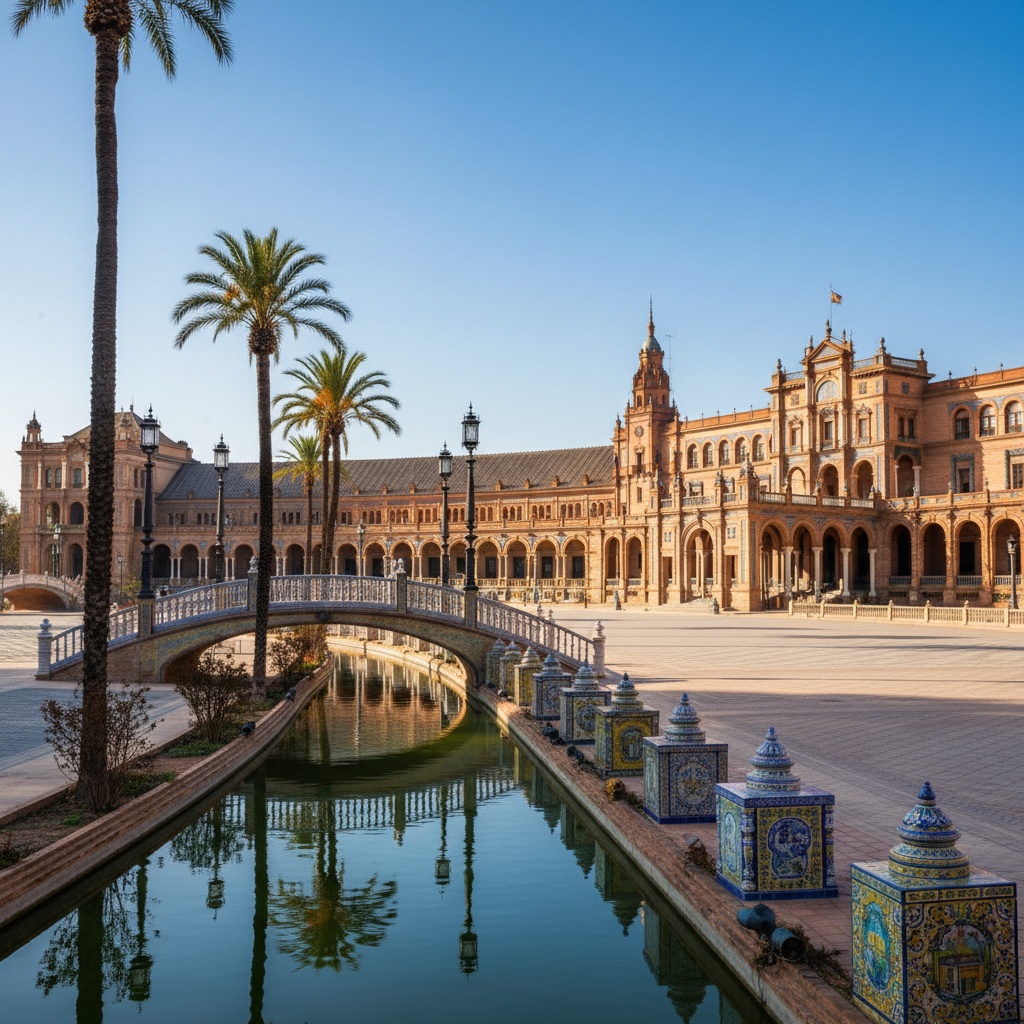
Seville
The capital of tapas culture and the heart of Andalusia. Salmorejo, fried fish, jamón ibérico, sherry from nearby Jerez. Eating in Seville means standing at a counter, ordering one small thing, and moving on to the next bar.
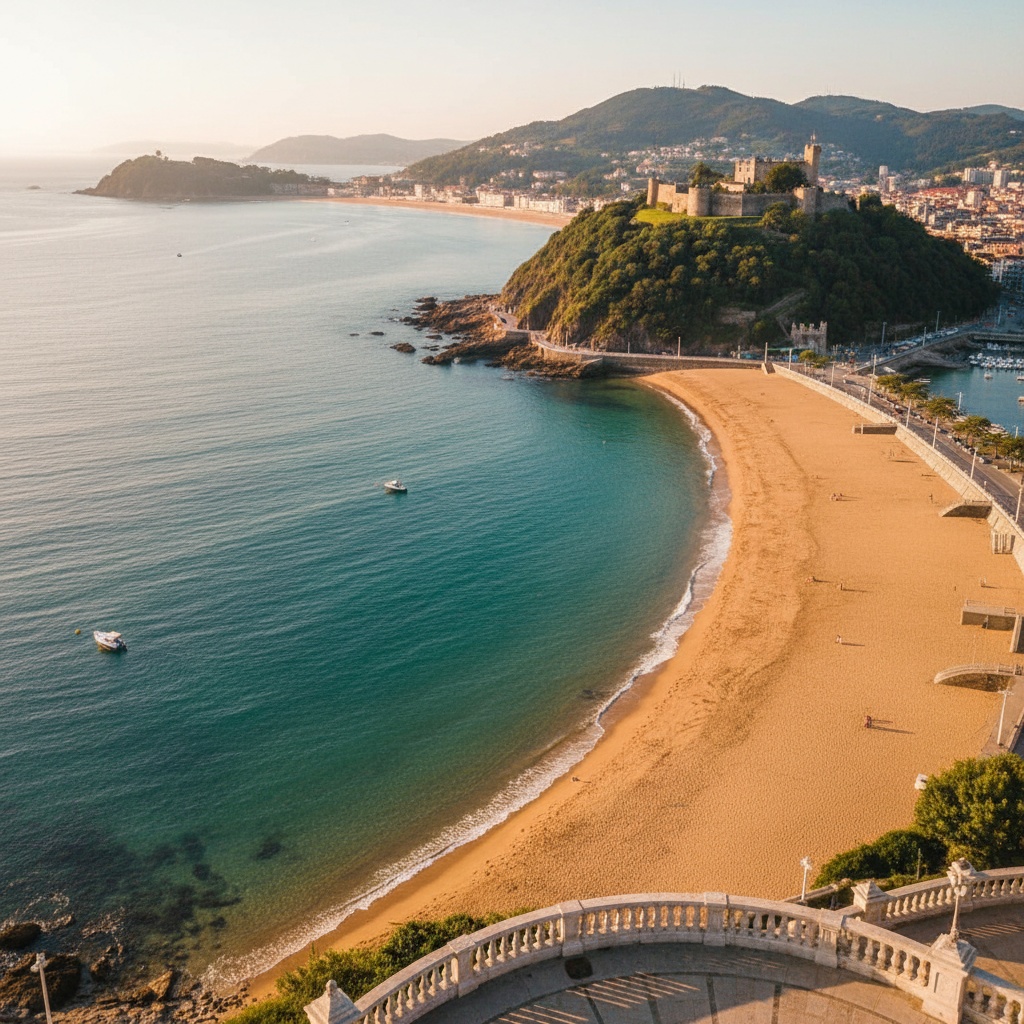
Basque Country
San Sebastián, Bilbao, and the cider houses of Gipuzkoa. The pintxo bar — small, sharp, perfectly built bites lined along a counter — was invented here. So was a chunk of modern fine dining.
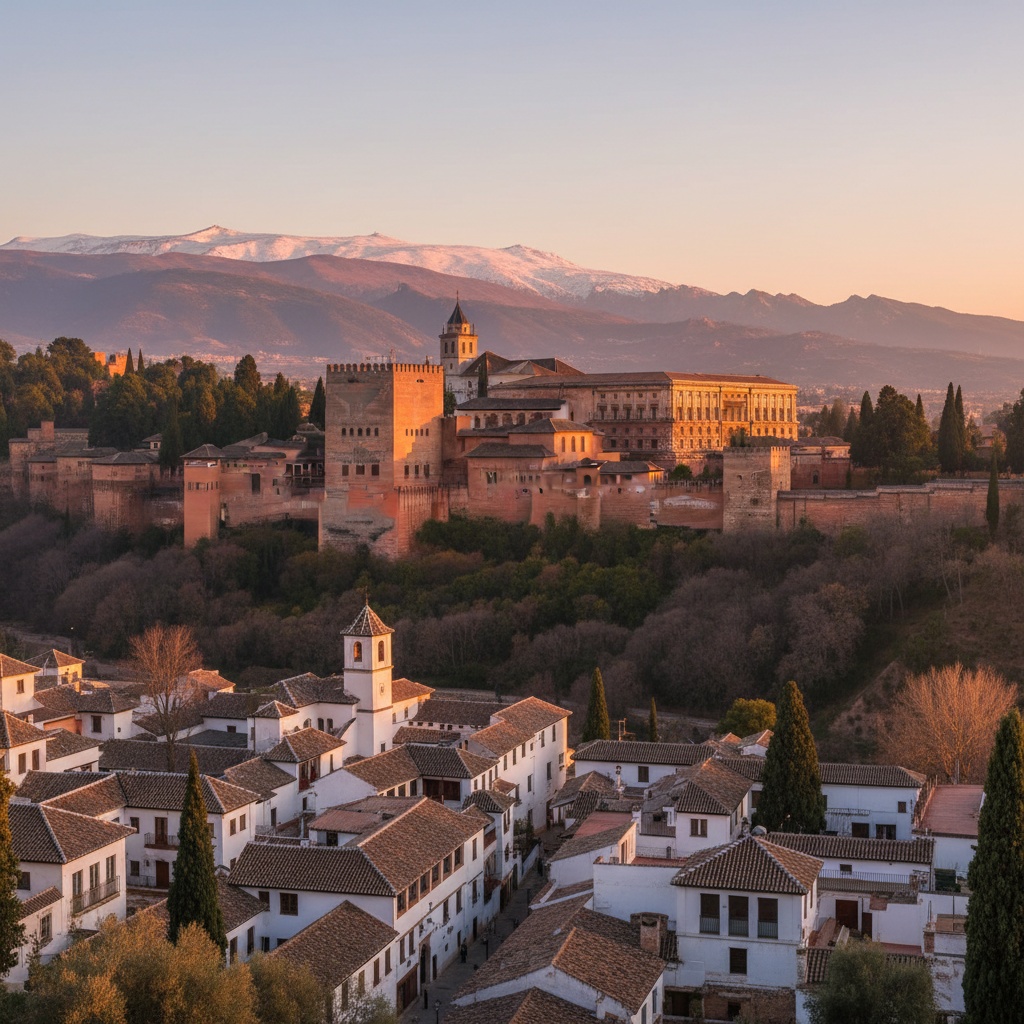
Granada
Andalusia’s mountain city, and one of the only places in Spain where ordering a drink still buys you a free tapa. Moorish heritage in the food — almonds, saffron, slow-cooked lamb — alongside hard-counter ham bars in the Albaicín.
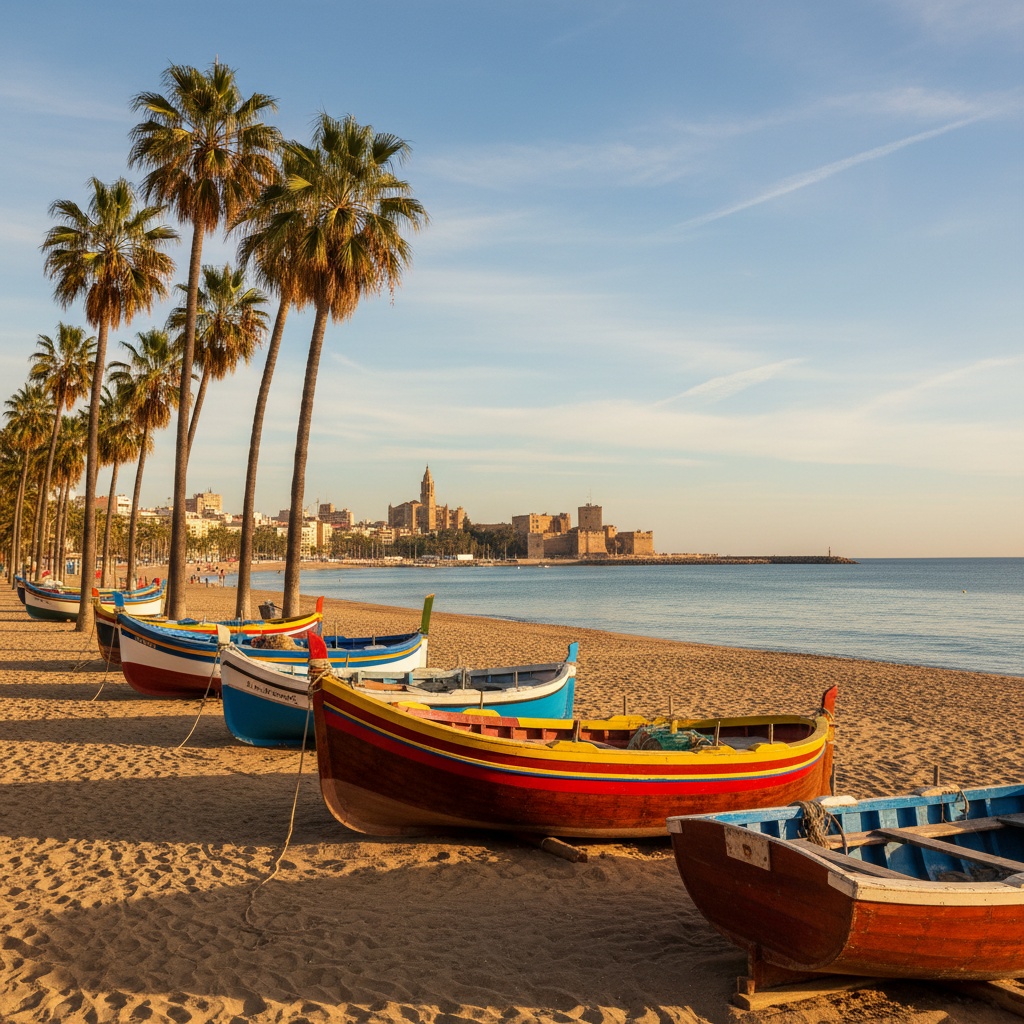
Málaga
The Costa del Sol’s anchor city: chiringuitos grilling sardines on bamboo skewers over driftwood fires, sweet Málaga wine, and a fast-rising downtown food scene that rewards eating off the seafront.
Andalusia (region)
The whole south, taken as one. Sherry triangle, olive sea, jamón mountains, gazpacho and salmorejo, fried fish, fino with everything. Stories that span Seville, Granada, Málaga, Cádiz, and Jerez sit here.
Catalonia (region)
Beyond Barcelona: calçotada season in the fields outside Tarragona, the Costa Brava’s anchovy ports, Empordà wine country, and the inland mar i muntanya tradition that puts cuttlefish and meatballs on the same plate.
The Islands
Balearics & Canaries
Two archipelagos, two completely different food worlds — one Mediterranean, one Atlantic.
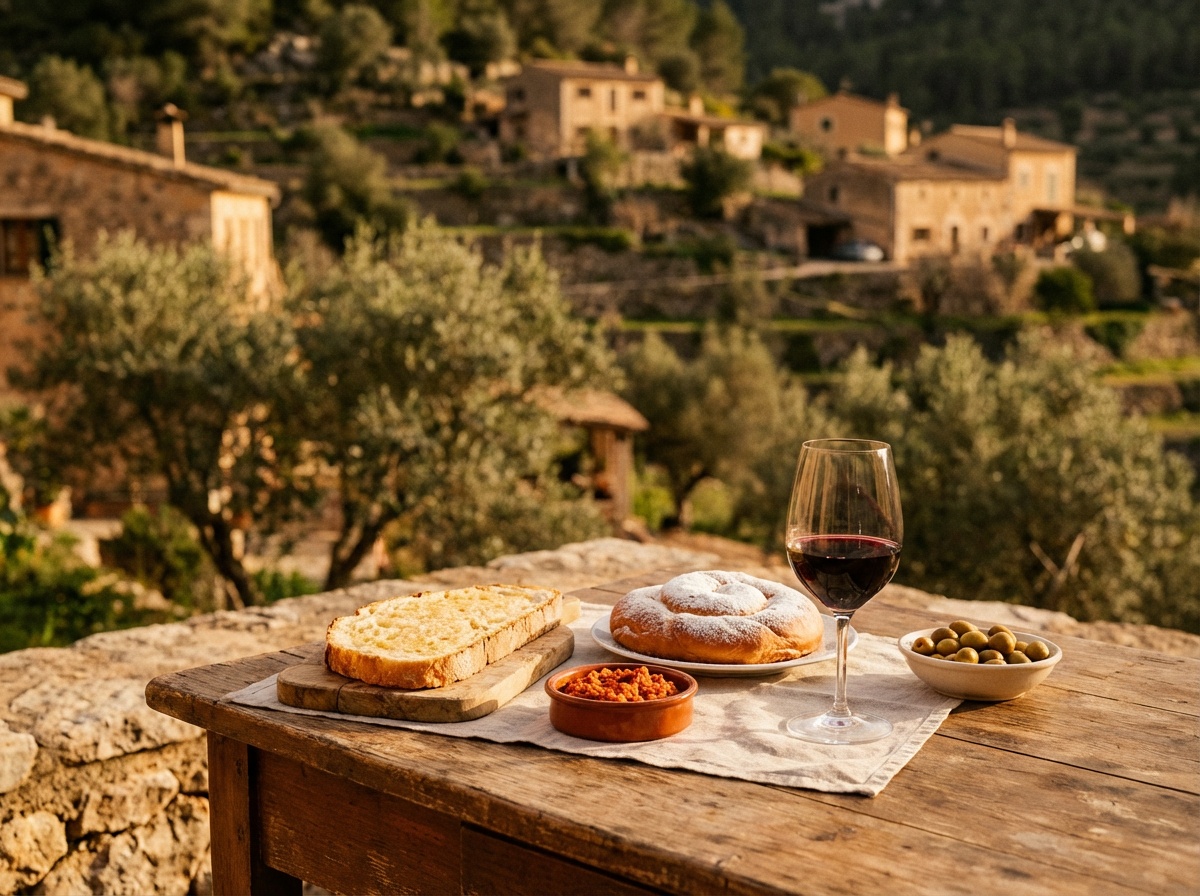
Mallorca
Sobrasada, ensaïmada, tumbet, and a quiet revolution of farm-to-table cooking in the Tramuntana foothills. The biggest Balearic island and arguably the most rewarding to eat your way around.
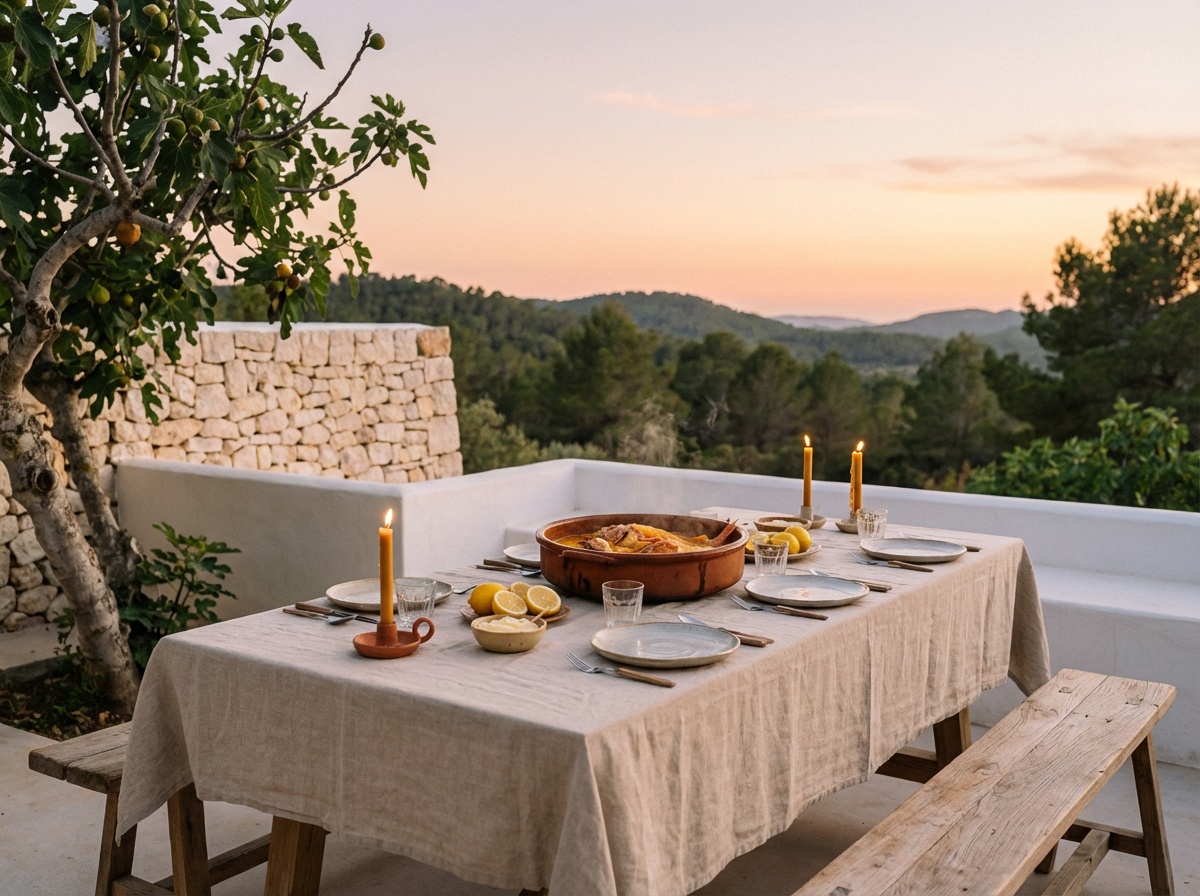
Ibiza
Beyond the clubs: bullit de peix, sofrit pagès, fishing-village payés cooking, and a generation of cooks reclaiming the inland half of the island the tourists never see.
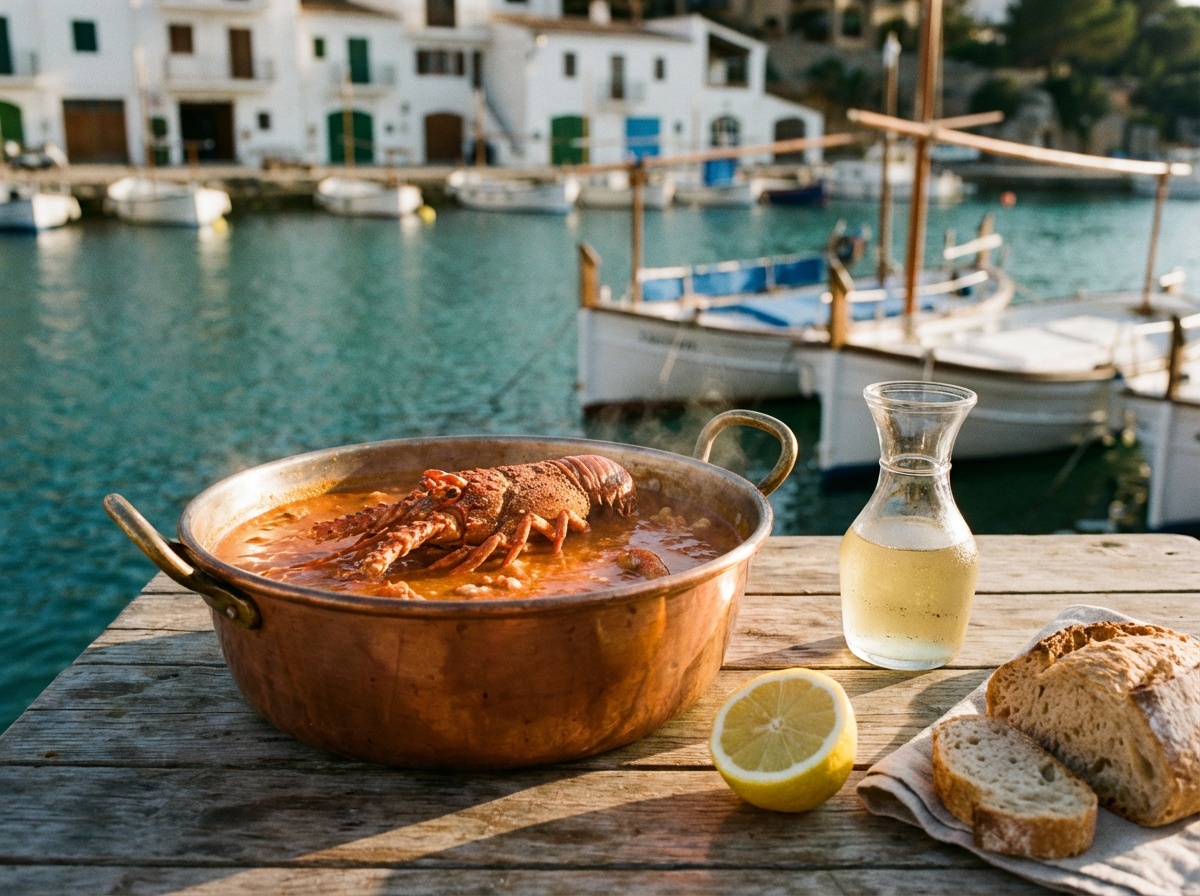
Menorca
The quiet sister island. Caldereta de langosta, Mahón cheese, and a shoreline of old fishermen’s coves still serving the same lobster stew that built the island’s culinary reputation.
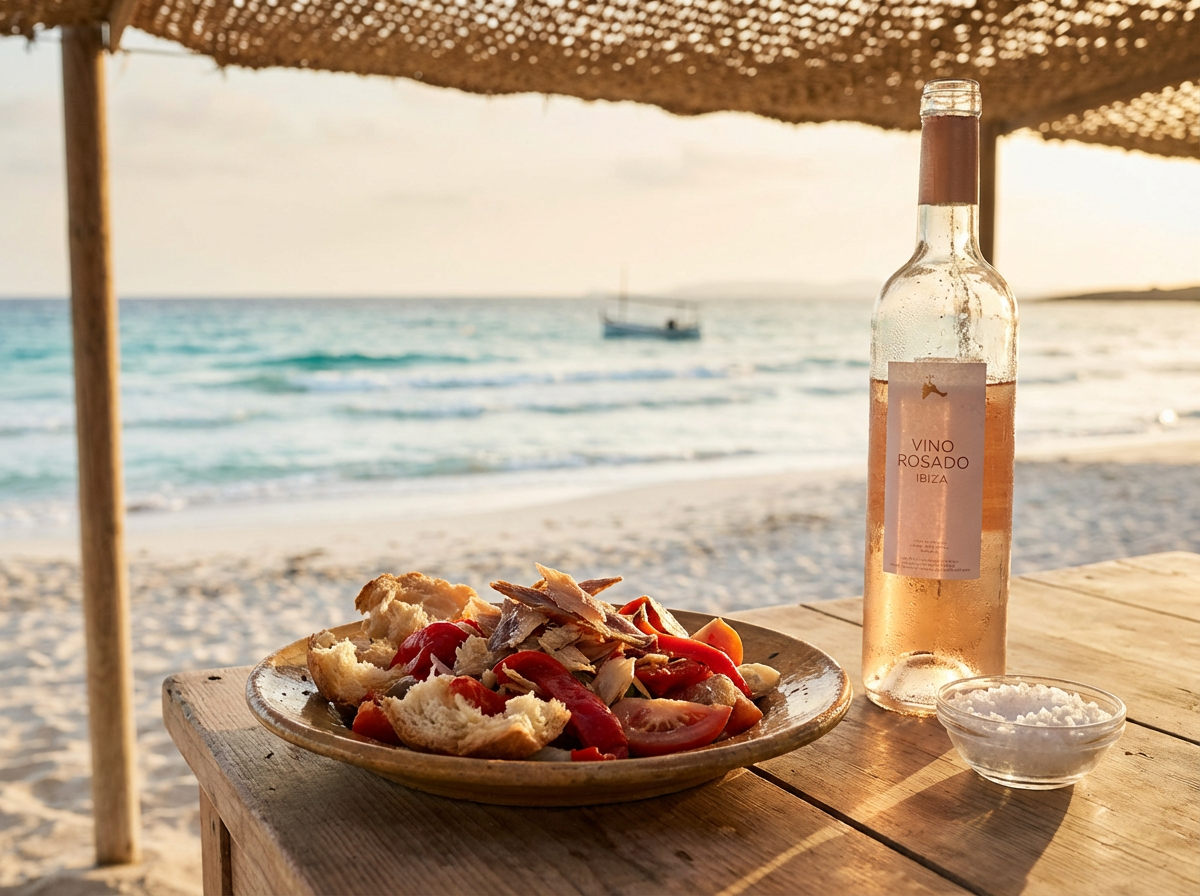
Formentera
A 30-minute ferry from Ibiza and a different planet. Salt flats, peix sec (sun-dried fish), and a handful of beach kitchens where lunch lasts until the wind drops.
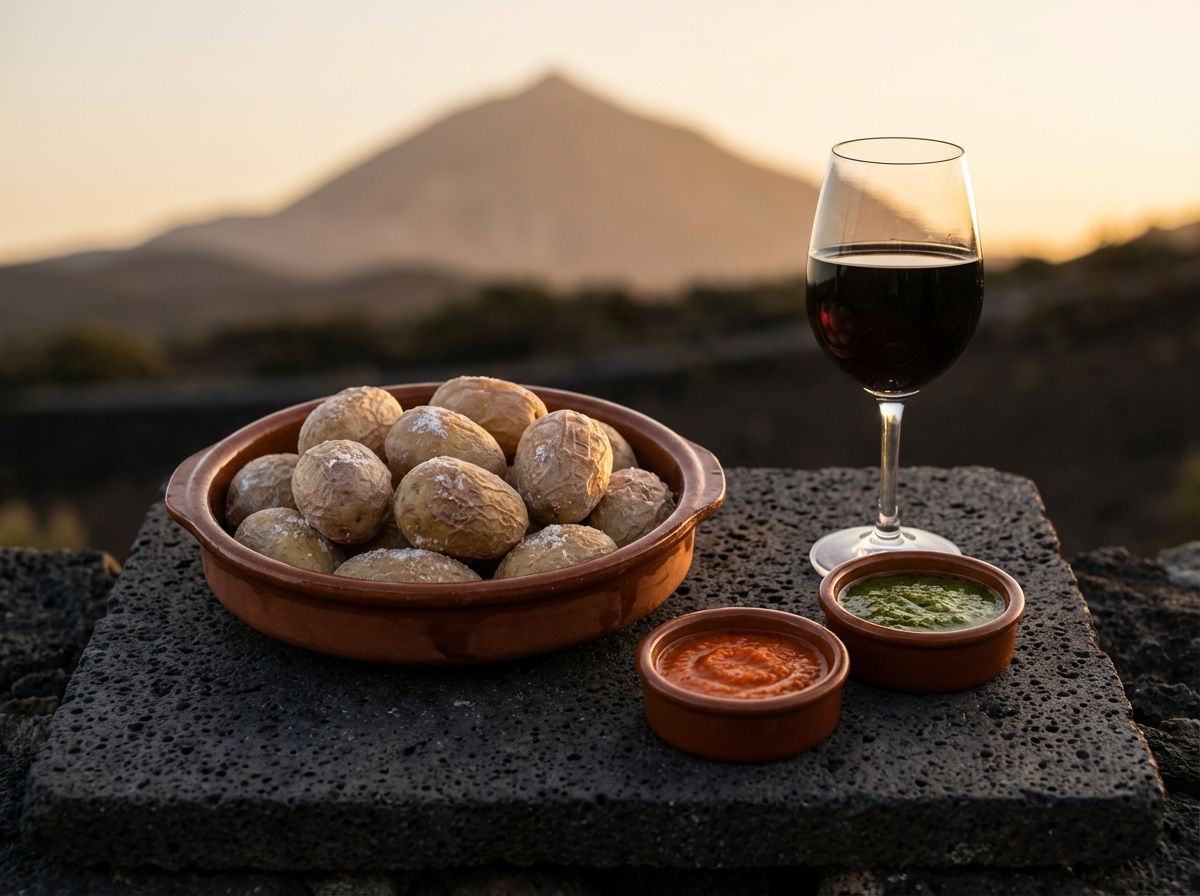
Tenerife
Volcanic-soil potatoes, mojo verde and rojo, fresh cherne fish, and the Atlantic-Caribbean cooking of the largest Canary Island. Wine grown on black ash, eaten with everything.
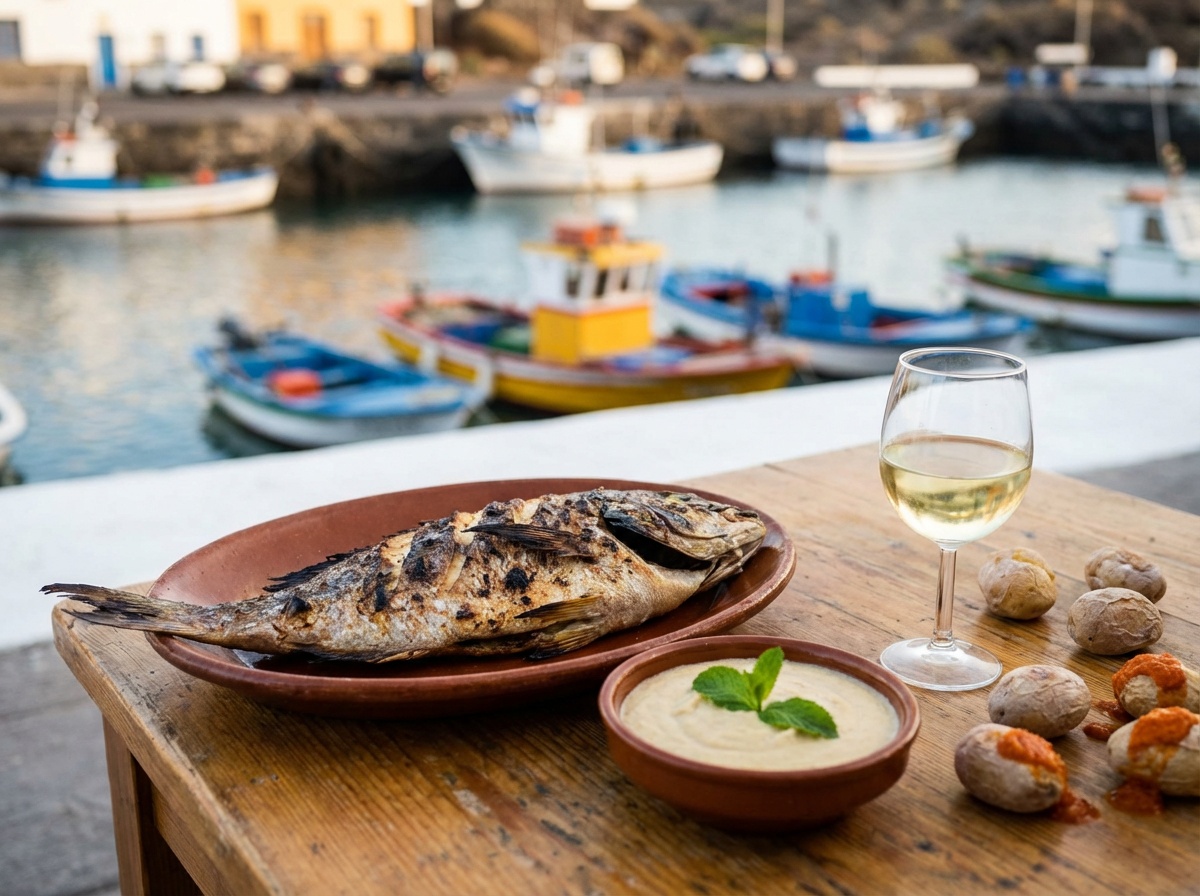
Gran Canaria
Las Palmas market culture, ropa vieja, sancocho canario, and goat cheese aged in volcanic caves. The most diverse Canary kitchen — and the one with the longest line of African and Latin American influence.
Don’t see your region yet?
We’re publishing new city and regional guides every week. Galicia, Asturias, Castilla-La Mancha, Extremadura, Murcia and the rest of Spain are next on the list. Browse every story we’ve published so far in one place.