
A montadito is a small open-faced sandwich: a piece of bread, usually a slice of baguette or a small roll, topped with something. The word comes from montar, to mount, to place on top of something. In Seville, montaditos are the staple of bar eating — quick, cheap, endlessly varied, and designed to accompany a glass of something cold.
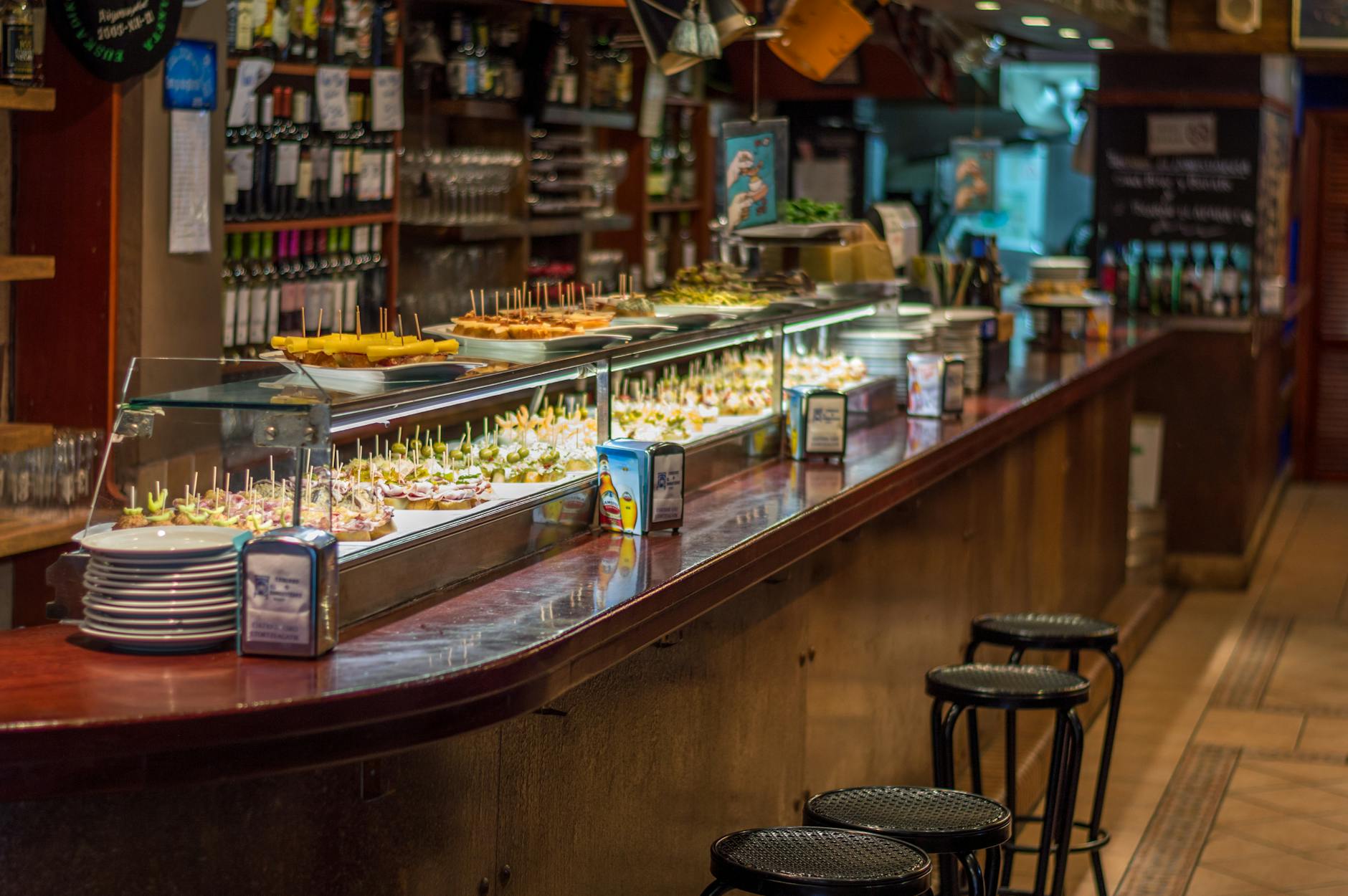
Montaditos are not the same as pintxos, the Basque version of the same concept. Basque pintxos use a toothpick to hold the topping in place and tend toward architectural complexity. Sevillian montaditos are simpler, more rustic, and focused on a single good ingredient rather than composed arrangements. The distinction matters if you are travelling between the two regions and want to understand what you are eating.
The essential montaditos of Seville
Pringá
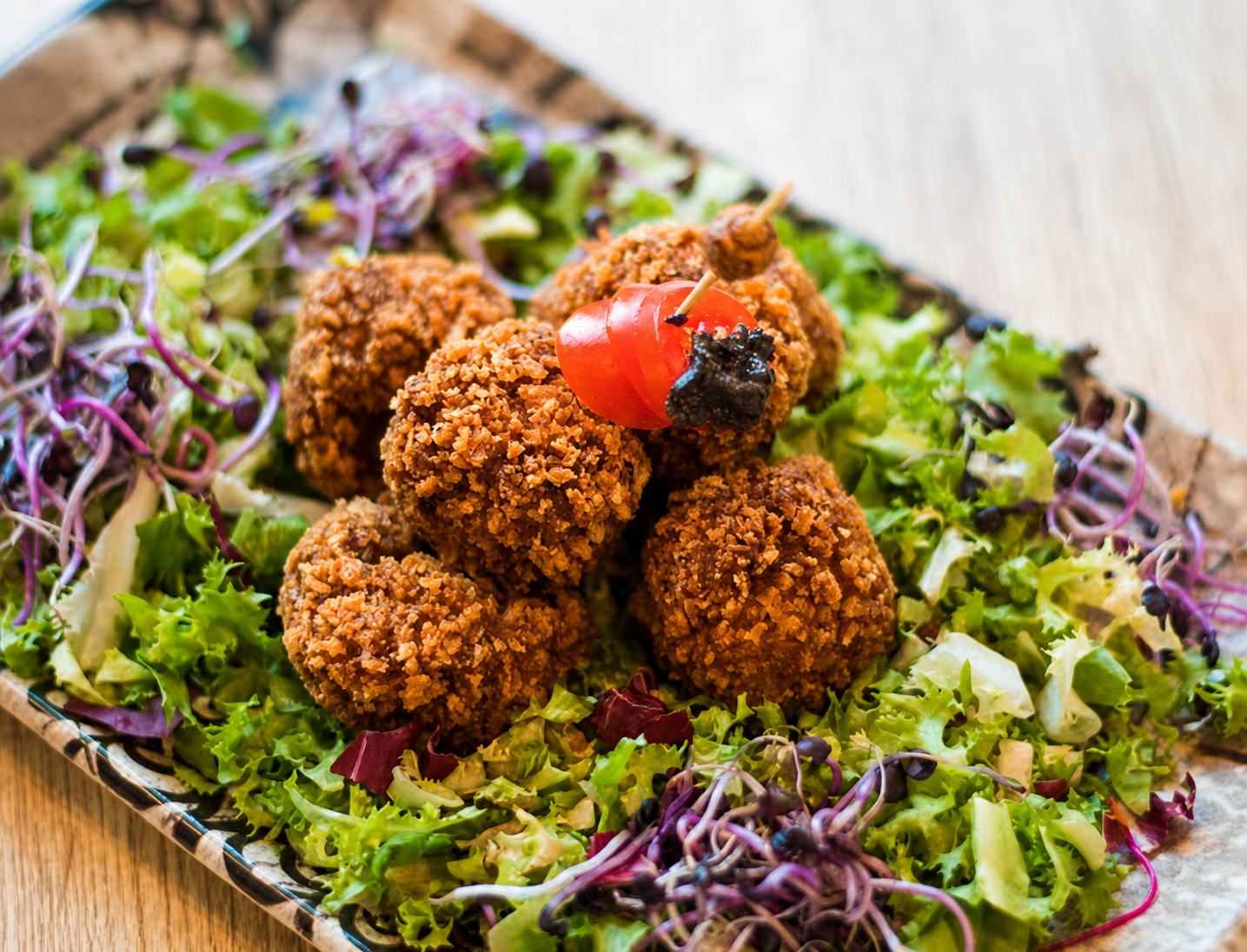
Pringá is the montadito that defines Seville. Slow-cooked pork shoulder, chorizo, and morcilla (blood sausage), braised together for hours until the meat falls apart, then shredded and mixed with the rendered fat and cooking juices. Served warm on small slices of bread, sometimes toasted, sometimes not.
Pringá originated as a way to use the cooking fat and leftover meat from the puchero — the traditional Andalucian slow-cooked stew. The word pringá derives from pringar, which means to drip or to baste. What began as the kitchen remnants of the stew pot became one of Seville’s most sought-after tapas. A pringá montadito costs €2.50 to €3.50 and is available in virtually every traditional tapas bar in the city.
The best pringá in Seville: Bodeguita Romero on Calle Harinas is consistently cited as the benchmark. The bar has been serving the same preparation for decades. Order two and eat them immediately while warm — cold pringá loses the rendered fat quality that makes the dish work.
Jamón ibérico
Hand-cut slices of jamón ibérico de bellota on pan de cristal or toasted baguette, sometimes with a few drops of olive oil. The bread is secondary to the jamón, which should dominate. A single montadito of good jamón ibérico costs €3 to €5 depending on the grade. For a tasting comparison, order one of jamón serrano alongside one of ibérico de bellota and eat them consecutively — the difference in fat quality and flavour complexity is not subtle.
Salmorejo con huevo y jamón
Thick salmorejo (the cold tomato and bread soup from Córdoba) used as a topping, garnished with a piece of hard-boiled egg and a fragment of jamón. The contrast of cold acidic tomato, rich egg, and salty cured ham on bread makes this one of the more sophisticated Sevillian montaditos. Available at bars that take their tapas kitchen seriously.
Boquerón en vinagre
Cured white anchovy in sherry vinegar on bread, sometimes with a drizzle of olive oil and a thin slice of pepper. The anchovy should be white from the vinegar cure, not grey, and firm rather than mushy. Costs €1.50 to €2.50. Pairs exceptionally well with a glass of cold manzanilla.
Tortilla de patatas
Spanish omelette on bread. The tortilla should be warm and slightly runny in the centre — not the firm, fully-set version that has been sitting since morning. Some bars do not serve montaditos of tortilla; they serve slices of tortilla and the bread arrives alongside. Either format is correct. A montadito of good tortilla costs €2 to €3.
Carne mechá
Slow-cooked beef, typically a cheaper braising cut, cooked with tomato, garlic, and wine until it shreds. Similar in concept to pringá but with beef rather than pork. Less ubiquitous than pringá, more common at restaurants specialising in traditional Sevillian cooking. If you see it on the menu, order it — it is underrated compared to its pork equivalent.
Where to eat montaditos in Seville
Bodeguita Romero
Calle Harinas, 10, near the Cathedral. The benchmark for pringá in Seville. Standing room only, perpetually busy, prices that reflect the neighbourhood (around €3 per montadito) without being inflated. Order pringá and jamón, drink a glass of manzanilla, leave before you are tempted to order too many more.
El Rinconcillo
Calle Gerona, 40. Founded in 1670, which makes it one of the oldest bars in Spain. The bar staff chalk your bill on the counter in the old Sevillian tradition. The pringá is excellent, the jamón is good, and the atmosphere is worth the slightly higher prices. Go at opening time (noon for lunch) to get a spot at the bar before the crowds arrive.
Bodega Santa Cruz (Las Columnas)
Calle Rodrigo Caro, near the Cathedral. The chalk-on-the-counter billing system, honest prices, an excellent pringá montadito, and a good selection of other traditional tapas. One of the most-recommended genuine bars in the tourist zone of Santa Cruz.
La Azotea
Multiple locations. Not a traditional montadito bar but serves some of the more creative interpretations of the form — inventive toppings using Andalucian ingredients alongside excellent traditional options. Higher prices than the old-school bars, justified by the cooking.
Montaditos vs pintxos: the practical difference
If you are arriving in Seville from San Sebastián or Bilbao, reset your expectations. Pintxos in the Basque country are intricate constructions that balance multiple textures and flavours on a single small piece of bread, secured with a toothpick. They are eaten standing at a bar, ordered by pointing, and priced by the piece (€2 to €3.50 each in most Basque bars).
Sevillian montaditos are simpler. One great ingredient on good bread, eaten quickly, costing €2 to €4. There is less complexity per unit but there is also less distance between what you order and what you get. The Sevillian approach rewards knowing which single ingredient each bar does best. The Basque approach rewards understanding compositions. Both are correct. They are just different philosophies.
How to order montaditos in Seville
At a traditional bar, approach the counter, look at the list of tapas on the board or tiles above the bar, and order by name. Most bars have three to eight montadito options. Point if you cannot pronounce the name — bar staff in Seville are accustomed to pointing. Say the number you want: “dos montaditos de pringá” (two pringá montaditos). Pay when you are ready to leave rather than after each order.
Some bars list montaditos on the bar in small dishes and you take what you want — this is more common in the Basque country than in Seville but exists here too. If you see a row of prepared montaditos on the bar, pick them up, eat them, and tell the bartender how many you had when you pay.
Frequently asked questions
What is the most famous montadito in Seville?
Pringá is the most distinctly Sevillian montadito — slow-cooked pork, chorizo, and morcilla on bread. Bodeguita Romero is the most frequently cited place to eat the best version in the city.
What is the difference between a montadito and a bocadillo?
A bocadillo is a full-sized sandwich in a roll. A montadito is a single bite or two bites — a small piece of bread with a topping. Bocadillos are a meal; montaditos are a tapa, intended to accompany drinks and eaten in multiples across a bar session.
How much do montaditos cost in Seville?
Between €2 and €4 at honest traditional bars. Tourist-facing restaurants near the Cathedral charge €5 to €8. The price difference is significant and not justified by quality differences — in many cases the opposite is true.
Are montaditos the same as tapas?
Montaditos are a type of tapa. The broader category of tapas includes small plates of all kinds: fried dishes, stews, cured meats served without bread, salads, and more. Montaditos are specifically the bread-based version. Not all tapas are montaditos, but all montaditos are tapas.
What is pringá?
Pringá is the cooked fat and shredded meat from the Andalucian puchero (slow-cooked stew), served warm on bread. It typically contains pork shoulder, chorizo, and morcilla cooked together for several hours. It is Seville’s most iconic bar food and is available at nearly every traditional tapas bar in the city.
Exploring more of Seville’s bar food? Read our guide to the Triana tapas crawl and our look at where to eat honestly in Santa Cruz.
Found a correction or an update?
Email us at hello@spainfoodguide.com — we keep our entries current.
Run a restaurant in Spain you think we should know?
Get featured →