
Vermut hour in La Latina is one of Madrid’s most dependable pleasures. On Sunday mornings from 11am, and on weekend evenings from 7pm, the neighbourhood fills with madrileños who have come specifically to drink vermouth, eat small plates, and stand at the bars of the old tabernas that line the streets around Calle de la Cava Baja and Calle de la Cava Alta.
La Latina is the neighbourhood immediately south of the Plaza Mayor, built on a hillside that drops toward the Manzanares river. It is one of the oldest continuously inhabited parts of Madrid, with a concentration of traditional bars and tabernas that have survived the waves of modernisation that changed other central neighbourhoods. The Sunday vermut circuit here is not a tourist activity that has been packaged for visitors — it is the thing that residents of La Latina and surrounding barrios actually do on Sunday mornings.
What vermut is and how to order it
Vermut (vermouth in English, vermú in Spanish) is a fortified wine flavoured with botanicals — typically wormwood, citrus peel, and various spices depending on the producer. Spanish vermouth is distinct from Italian vermouth in being generally sweeter, darker, and more robust. The defining Spanish vermouth styles come from Catalonia (Reus and the surrounding area) and from specific Madrid bartenders who blend their own house versions.
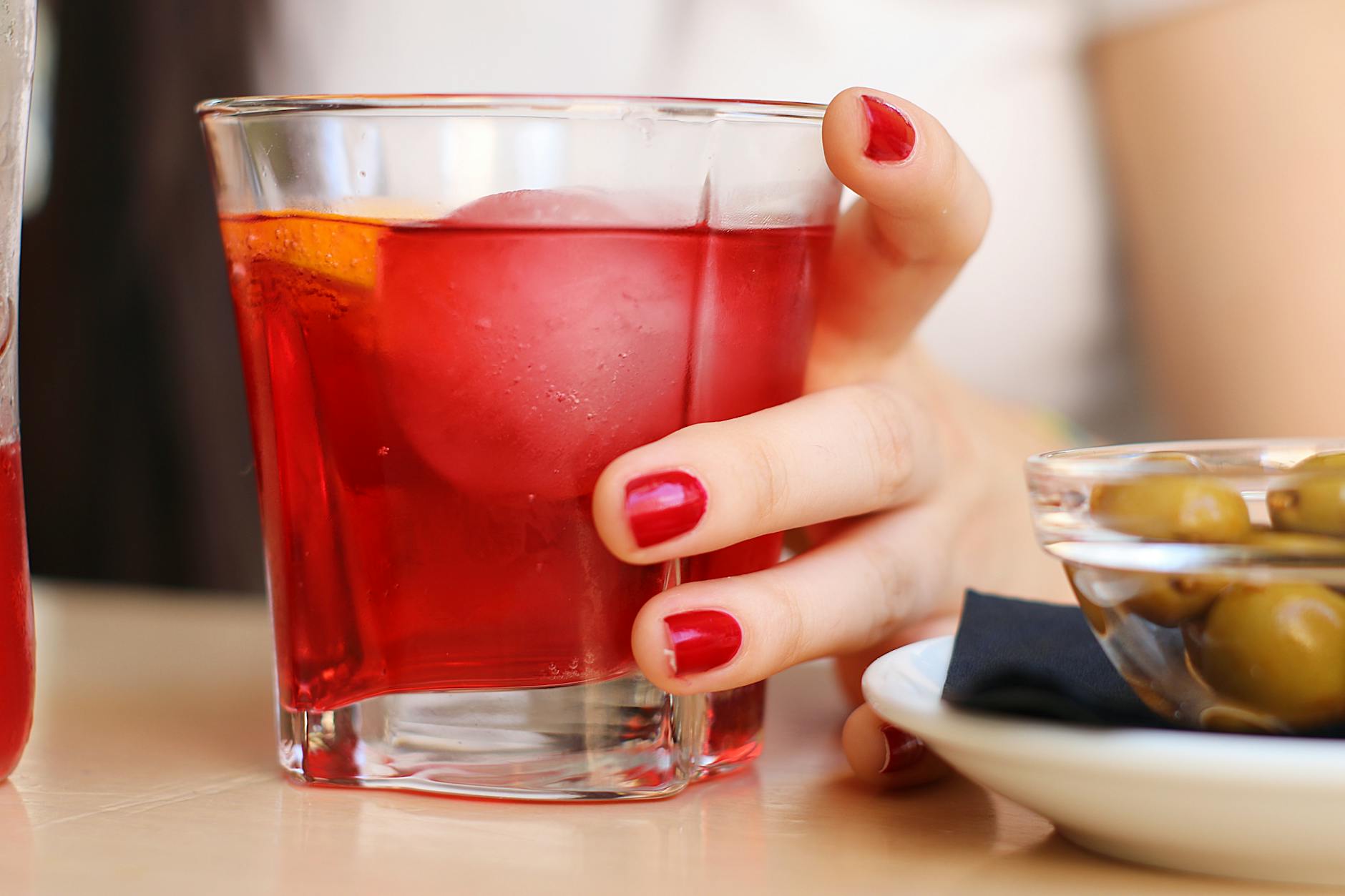
In La Latina, vermut is ordered by glass at the bar, served over ice with an orange slice and a green olive on a stick. The olive is not garnish — it is eaten with the drink. Some bars add a splash of soda water or a small amount of gin to the glass; ask if you want yours straight. The price is €2.50 to €4 per glass depending on the bar and whether they serve the house blend or a named bottle.
Order “un vermut” and specify “con hielo” (with ice) unless you prefer room temperature. At the more traditional tabernas, the vermut comes from a barrel on tap rather than a bottle — the house blend, infused with orange peel and aromatic herbs, and served from a tap at the bar. This is the best version.
The bars
Taberna Tempranillo
On Calle de la Cava Baja, 38. The wine list here is one of the most extensive in La Latina, with a particular focus on smaller Spanish producers. The vermut is good but the bar is worth visiting for the wine list alone. The small plates — ibérico products, cured cheese, bread with various toppings — are well chosen to accompany drinking rather than to function as a meal. Busy on Sunday from noon onward; arrive earlier for a spot at the bar.
El Almendro
Calle del Almendro, 13. One of the most-cited bars in La Latina for the Sunday vermut tradition. The house vermut is served from a barrel and is among the better versions in the neighbourhood. The tostas (small pieces of toast with toppings) are the food to order here — the bacalao (salt cod) tosta is consistently good. Standing room only on Sunday mornings.
Casa Lucas
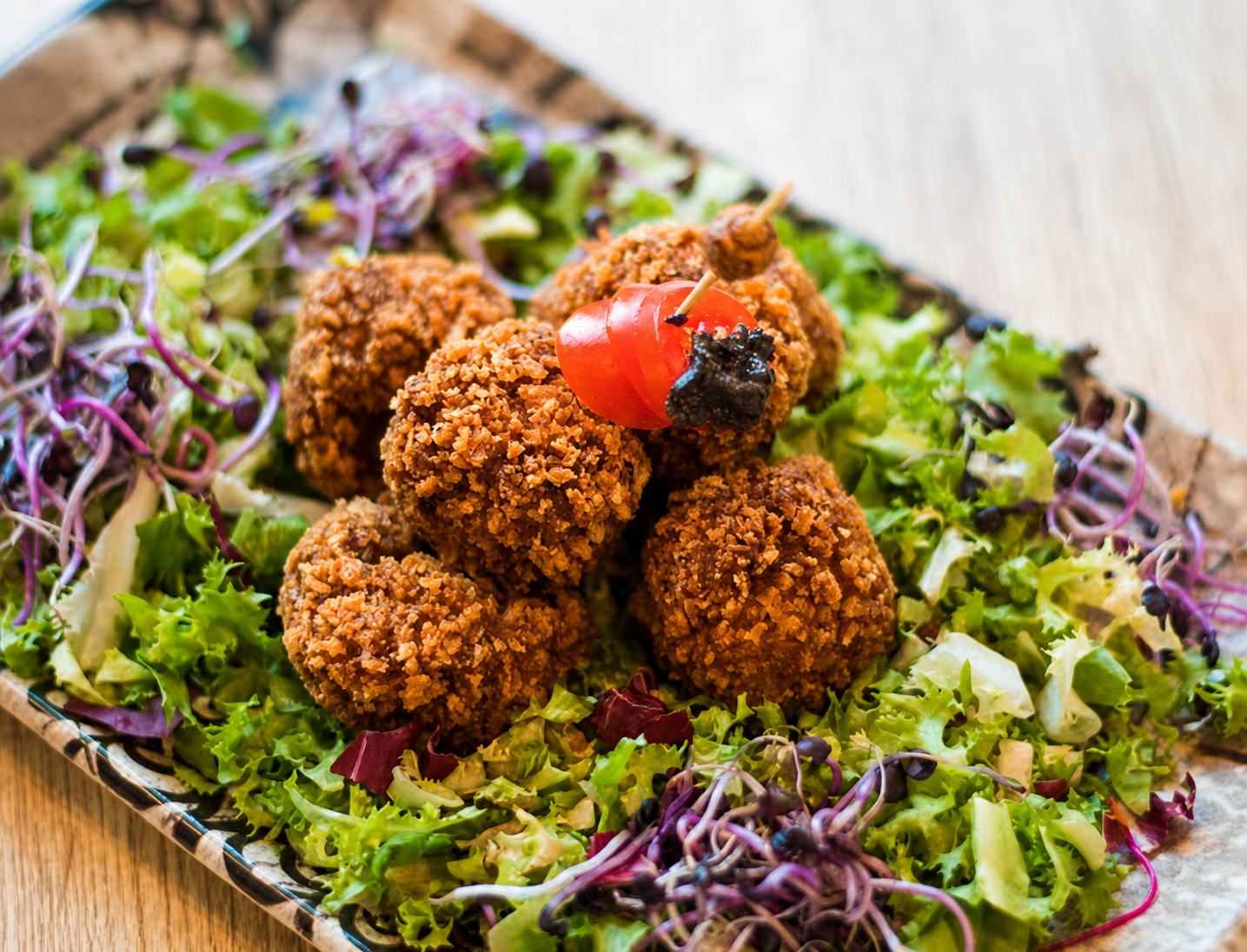
Calle de la Cava Baja, 30. A wine bar with a more considered approach to small plates than most La Latina tabernas. The kitchen produces dishes worth eating as food rather than merely as bar snacks: croquetas, pan con tomate, charcuterie of quality. The vermut list includes several Spanish producers not found elsewhere in the neighbourhood.
Taberna de Antonio Sánchez
Calle del Mesón de Paredes, 13, just outside the immediate La Latina zone but a ten-minute walk. One of the oldest taverns in Madrid (since 1830), with bullfighting memorabilia on the walls and a house vermouth that is one of the city’s most cited traditional versions. The building alone is worth the walk.
Juana La Loca
Plaza de la Puerta de Moros, 4. Famous for the tortilla de patatas, which is made with caramelised onion and a very liquid centre and is considered by a significant portion of Madrid food opinion to be the best tortilla in the city. Arrive by 11am on Sunday if you want to eat it — the tortilla sells out. The vermut here is secondary to the tortilla but is perfectly good.
The Sunday circuit
The La Latina Sunday vermut circuit works by movement. The tradition is not to sit at one bar for the morning — it is to stand at the bar, drink one glass, eat a tosta or a small plate, and move on when you feel like it. Two to three bars over two hours is a natural circuit. Four bars is ambitious. Five means you are making a full morning of it.
Start on Calle de la Cava Baja, which is the densest concentration of traditional tabernas in La Latina. Walk the length of the street (it is roughly 300 metres), looking into the bars as you pass, choosing based on what looks right from the outside — the bars with a mix of standing and seated customers, with a chalk board or hand-written menu, with a barrel visible behind the counter, are generally the better options.
From Cava Baja, turn onto Calle del Almendro or Calle del Nuncio for the second bar. These are slightly quieter streets with a mix of traditional and newer bars. The ratio of locals to visitors is higher here than on the main street.
What to eat with vermut
The food that accompanies Sunday vermut in La Latina follows conventions that have not changed in decades. The canonical accompaniments:
Aceitunas: Olives, usually the gordal (fat, mild Sevillian variety) or manzanilla (smaller, firmer). Served in a small bowl as complimentary tapas at many bars or ordered at €1.50 to €2.50.
Boquerones: Either fresh anchovies marinated in vinegar (white, soft, acidic) or oil-cured salted anchovies (dark, intensely flavoured, salty). Both arrive on small plates for €2 to €4. The vinegar-cured version (en vinagre) is lighter and works better at the start of the morning; the salted version (en aceite) is more powerful and better for later.
Tostas: Small pieces of toast with various toppings. At most bars: jamón ibérico, bacalao, or salmorejo are the standard options.
Banderillas: Toothpick skewers of pickled vegetables and anchovies — peppers, gherkins, pearl onions, olives, occasionally a piece of anchovy at the end. €1.50 to €2.50 per skewer. Salty, acidic, precisely what the vermouth needs alongside it.
Practical notes
Timing: Sunday vermut in La Latina runs from 11am to 2pm, then again from 1pm on the following days for the neighbourhood’s post-lunch ritual. The peak window is 12 noon to 1.30pm on Sunday when the bars are at their most animated.
Getting there: Metro La Latina (Line 5) deposits you on the Plaza de la Cebada, one block from Calle de la Cava Baja. The walk from the metro exit to the first bar is under two minutes.
Frequently asked questions
What is the best bar for vermut in La Latina?
El Almendro for the traditional house vermut from the barrel. Juana La Loca for the best tortilla in Madrid alongside your vermut. Taberna Tempranillo for the best wine list. The correct answer is to visit two or three and decide for yourself.
What time is vermut in Madrid?
Sunday vermut in Madrid traditionally runs from 11am to 2pm (before Sunday lunch). Evening vermut runs from 7pm. The Sunday morning window is the more specifically cultural of the two — this is when the neighbourhood’s communal social life concentrates itself in the bars.
Is La Latina touristy?
Parts of it are. Calle de la Cava Baja has a mix of genuinely local bars and tourist-facing operations. The side streets (Calle del Almendro, Calle del Nuncio, Plaza de la Paja) are more local. The Sunday vermut tradition is authentic regardless of tourist numbers — this is what residents actually do, and the presence of visitors does not change the format of the bars or the quality of the vermut.
More Madrid neighbourhoods? Read our guide to Mercado de San Fernando vs Mercado de San Miguel and the late-night eating guide to Madrid.
Found a correction or an update?
Email us at hello@spainfoodguide.com — we keep our entries current.
Run a restaurant in Spain you think we should know?
Get featured →