
Cocido madrileño is Madrid’s defining dish. A slow-cooked stew of chickpeas, several cuts of pork and beef, chicken, vegetables, and cured sausage, served in three separate courses from the same pot. It is eaten at lunch, in winter and autumn, at restaurants that have been making the same version for decades. It is filling, warming, complex, and requires no imagination to understand why a city that gets cold and grey from November to March would make this its central meal.
This is what cocido madrileño is, how it is served, and where to eat the best versions in Madrid.
How cocido madrileño is served
The dish arrives in three vuelcos (rounds, literally “turnovers”) from the same pot of cooking liquid and ingredients.
First vuelco — the soup: The broth from the cocido, strained and served in a bowl with fine fideos (noodles) or rice cooked in it. The broth is golden, clear, deeply flavoured from the hours of cooking with meat and bone. This is the course that tells you whether a cocido is going to be excellent or merely good — a watery broth indicates insufficient cooking time or insufficient ingredients; a rich, fat-glazed broth indicates the real thing.
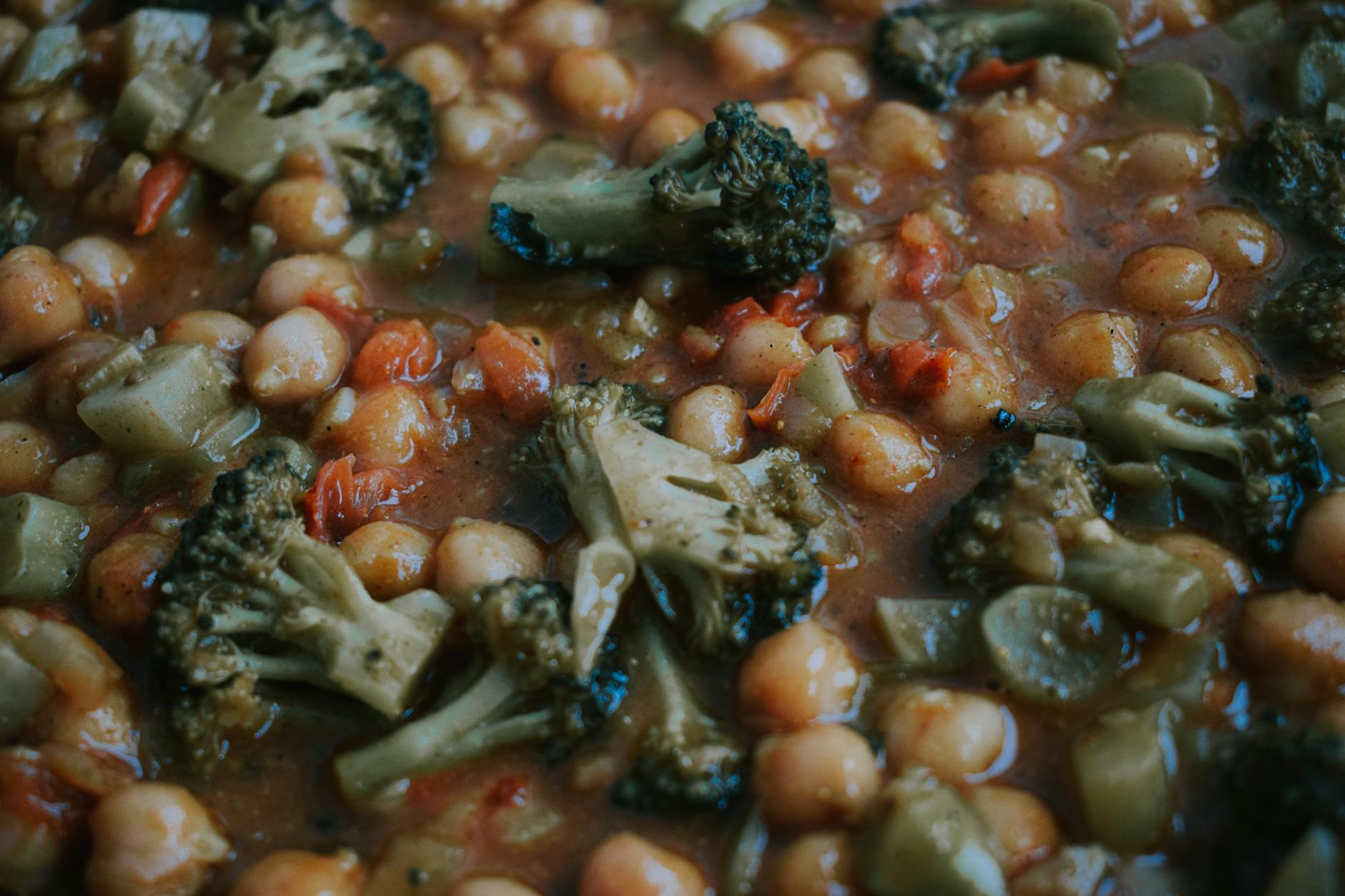
Second vuelco — the vegetables and chickpeas: Garbanzo beans (chickpeas), boiled potato, boiled carrot, and cabbage or green beans from the pot, served together on a plate. The chickpeas should be fully tender without being mushy, with a slightly earthy, nutty flavour intensified by the cooking liquid they absorbed over four to six hours. The vegetables are secondary to the chickpeas but should be properly cooked, not an afterthought.
Third vuelco — the meats: All the proteins from the pot, arranged on a platter: chicken, chorizo, morcilla (blood sausage), lacón (cured pork shoulder), tocino (cured pork fat), beef (typically morcillo — shin — or jarrete — knuckle), and the marrow bone. The meats by this point have given much of their flavour to the broth and chickpeas, so the third vuelco is the most substantial but not the most flavourful course. It is eaten with mustard, sometimes, or with the juice from the cooking liquid poured over.
Some restaurants serve all three vuelcos simultaneously on separate plates. The traditional service is sequential. If you want the traditional experience, ask for it in the traditional order (en tres vuelcos).
Where to eat cocido madrileño
La Bola Taberna
Calle de la Bola, 5, near the Palacio Real. The most famous cocido restaurant in Madrid and one of the most cited benchmark versions of the dish. La Bola has been serving the same cocido since 1870, cooked in individual clay pots (pucheros) over wood fire rather than industrial ranges — one of the last restaurants in Madrid to use this method. The wood fire produces a different flavour in the broth than gas: slightly smokier, more rounded. The cocido at La Bola costs approximately €35 to €40 per person. Book in advance, particularly for Thursday (the traditional cocido day in Madrid).
Lhardy
Carrera de San Jerónimo, 8, near the Congreso de los Diputados. Lhardy has been open since 1839 and is the most historically significant restaurant in Madrid. The cocido madrileño here is served in the traditional three vuelcos and is considered one of the city’s best. The dining room is a step back into 19th-century Madrid — dark wood, silver service, formal atmosphere. More expensive than La Bola (€50 to €60 per person for the cocido) and appropriate for a special occasion rather than a midweek lunch.
Casa Carola
Calle de Orense, 35, in the Chamartí district. Less central than La Bola and Lhardy but considered by Madrid food professionals to serve one of the most technically accomplished cocidos in the city. The chickpeas are consistently cited as the best in Madrid — Pedrosillano variety from Ávila, slow-soaked and precisely cooked. The morcilla is excellent. Book for Thursday or Friday when the kitchen makes it fresh.
Taberna La Daniela
Three locations across Madrid (Goya, Barrio de Salamanca, and Mesonero Romanos). The most accessible of the serious cocido options — shorter waiting times, slightly lower prices (€28 to €32 per person), and good consistent quality. La Daniela serves the cocido every day rather than only on traditional cocido days, which makes it practical for visitors on a fixed schedule.
Malacatín
Calle de Ruda, 5, in La Latina. A small, old-fashioned tavern that serves cocido exclusively — no other main course option at lunch. This is a one-dish restaurant in the truest sense. The quality is excellent, the price is reasonable (around €25 per person), and the clientele is a mix of local workers and food-focused visitors. Arrive at noon when it opens — by 1pm it fills completely.
The chickpeas
The chickpea used in the best versions of cocido madrileño is the Pedrosillano variety: small, slightly greenish, with an earthy flavour and a tendency to hold their shape during long cooking without becoming floury. They come from the Ávila province, which supplies most of Madrid’s chickpea restaurants. Inferior cocidos use larger, blander chickpeas that absorb less flavour and deteriorate in texture before the six-hour cook is complete.
The chickpeas must be soaked overnight in cold water before cooking. There is no shortcut version. The restaurants that make the best cocido start their chickpeas soaking 24 hours before service.
When to eat cocido madrileño
Thursday is the traditional day for cocido in Madrid. Many restaurants only serve it mid-week (Thursday and Friday). The logic is historical: the cocido required the best ingredients from the Monday and Tuesday markets, the long cooking began Wednesday evening, and Thursday was when it was ready. This rhythm persists in the traditional restaurants.
Cocido is a winter and autumn dish. In the depths of a Madrid January, it is the correct meal. In July, eating a four-course stew at lunchtime is technically possible but not advisable. The seasonal instinct of the restaurants that limit it to November through March is correct.
Frequently asked questions
What is cocido madrileño?
A slow-cooked stew of chickpeas, several cuts of pork and beef, chicken, cured sausages, and vegetables, served in three sequential courses from the same pot: first the broth as soup, then the chickpeas and vegetables, then the meats.
How long does cocido take to cook?
Between four and six hours at a slow simmer. The long cooking time is why cocido is a restaurant dish for most people — making it at home requires a full morning dedicated to a pot. The time is not optional. Two hours of cooking produces a different, inferior dish.
How much does cocido madrileño cost in Madrid?
Between €25 and €40 per person at a good traditional restaurant. La Bola and Lhardy are at the higher end; Casa Malacatín and Taberna La Daniela at the lower end. All of these prices include all three courses; wine is extra.
What day is cocido madrileño traditionally served?
Thursday is the traditional day. Many restaurants only serve it on Thursday and Friday. If your trip to Madrid includes a Thursday, this is the day to book a cocido lunch.
What is the difference between cocido madrileño and puchero?
Both are Spanish slow-cooked chickpea stews but from different regional traditions. Cocido madrileño is the Madrid version, with its specific combination of pork, beef, chicken, and Castilian vegetables. Puchero is the Andalucian equivalent, with regional variations in the meats and vegetables used. Both are served in multiple courses from the same pot.
More Madrid classics? Read our guide to the bocadillo de calamares near Plaza Mayor and the La Latina Sunday vermut circuit.
Found a correction or an update?
Email us at hello@spainfoodguide.com — we keep our entries current.
Run a restaurant in Spain you think we should know?
Get featured →