
Calçot season is the most theatrical eating event in Catalonia. From late January through to early April, the region holds calçotades — outdoor communal feasts built around one vegetable, a specific sauce, and a commitment to eating in large quantities while standing around a fire in a field or a restaurant courtyard. Tourists who stumble into calçot season often describe it as one of the most unexpectedly memorable meals of their time in Spain.
This is what calçots are, when they are available, how calçotades work, and where to eat them.
What is a calçot
A calçot is a type of green onion, specifically a variety of Allium cepa grown in a technique called calçar — earthing up the soil around the base of the onion as it grows, forcing it to produce a long white stem. The result is a vegetable that looks like an oversized spring onion: a white, tender stem of 15 to 25 centimetres topped with green leaves. The calçot has a mild, slightly sweet flavour without the sharpness of a mature onion.
Calçots originated in Valls, a town in the Tarragona province of southern Catalonia, in the late 19th century. A local farmer named Xat de Benaiges is credited with developing the earthing technique and the tradition of grilling and eating them in large numbers. The town of Valls still holds the Gran Festa de la Calçotada on the last Sunday of January, where competing teams work through hundreds of calçots each and attempt to eat the most in a fixed time.
How calçots are cooked
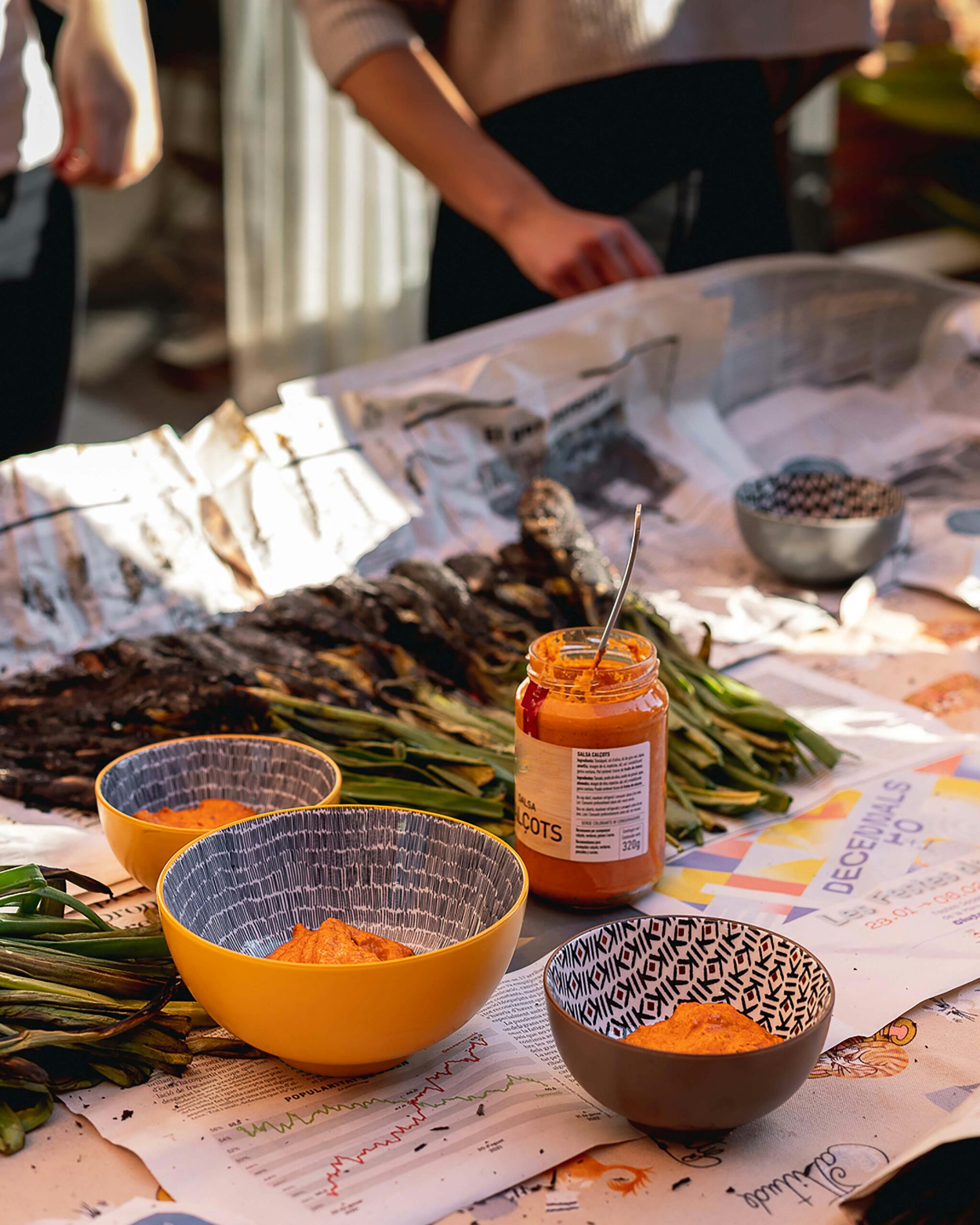
Calçots are cooked directly on a wood or charcoal fire, placed over the flames and grilled until the outer layers are completely charred and black. The interior steams inside its burnt shell and becomes tender and slightly sweet. After grilling, the calçots are wrapped in newspaper or placed on roof tiles and left to rest for 10 to 15 minutes — this steaming period is essential for the interior to finish cooking and for the outer layers to become easier to peel.
To eat a calçot: hold the charred end in one hand and the green tops in the other. Pull the charred outer layers away from the white interior. The clean white stem comes out, warm and tender. Dip it into romesco sauce (which is always served with calçots). Lift the calçot above your head and lower it into your mouth. Eat in one motion. Lick your fingers. Repeat.
This is why calçotades require paper bibs. The process produces burnt residue on your hands and oil from the sauce down your arms. The bib is not optional.
Romesco sauce
The sauce served with calçots is romesco, Catalonia’s great condiment. The base is ñora peppers (a small, round, dried red pepper specific to this region), roasted tomatoes, garlic, toasted almonds or hazelnuts, olive oil, and sherry vinegar. Everything is ground or blended together into a thick, slightly rough paste that is smoky, nutty, and acidic in balance.
Romesco is served at room temperature in a bowl, deep enough that you can fully dip each calçot. The quantity provided at a calçotada is generous — this is not a dipping sauce in the European appetiser sense, it is a condiment consumed in significant volume.
The same romesco serves other functions: it is the sauce for the grilled meats that follow the calçots in a full calçotada, and it is used as a condiment for fish (particularly salt cod) throughout Catalonia year-round. But its association with calçots is so complete that most people encounter it first in this context.
The structure of a calçotada
A traditional calçotada follows a specific sequence. First course: calçots, in large quantities. A proper calçotada provides 20 to 30 calçots per person and people work through them steadily over 30 to 45 minutes. The calçots arrive in batches, grilled to order over the wood fire, wrapped in newspaper on the table.
Second course: grilled meats. After the calçots, the fire is used for a full grill — botifarra (Catalan pork sausage), lamb chops, rabbit, and sometimes duck or chicken. The meats are accompanied by pa amb tomàquet (bread rubbed with tomato and olive oil), white beans, and sometimes artichokes grilled alongside the meats.
Drink: throughout both courses, a porró of wine is passed around the table. A porró is a glass vessel with a long narrow spout designed for communal drinking — you hold it above your head and pour a stream of wine into your mouth without the spout touching your lips. Red wine is standard. Cava is also consumed at calçotades, particularly at the more festive events.
Dessert: crema catalana (Catalonia’s answer to crème brûlée), fruit, or a simple pastry. Dessert is secondary — by the time the meats are finished, most participants are too full for anything substantial.
When is calçot season
Calçots are available from late January through to early April. The peak is February and March. Before late January the calçots are not yet mature enough. After April they become too large and strong-flavoured, and the season is considered over.
The Gran Calçotada de Valls, the most famous calçotada event, takes place on the last Sunday of January. This is the maximum-intensity version: tens of thousands of people, competitive eating, music, and the full theatrical spectacle of Catalan food culture at its most exuberant. Booking accommodation in Valls or nearby Tarragona well in advance is essential for this date.
Where to eat calçots in and around Barcelona
Can Cortada (Horta, Barcelona): A 15th-century farmhouse on the edge of the city in the Horta district, which runs calçotades throughout the season with advance booking. Full traditional format: calçots, grilled meats, wine, dessert. Book two to three weeks in advance for weekend dates.
La Masia Can Borrell (Mediona, Alt Penedès): 45 minutes from Barcelona in the wine country of the Alt Penedès. The calçotada here uses calçots grown on the property and is served in a proper farmhouse setting. Combines well with a visit to a Penedès cava producer.
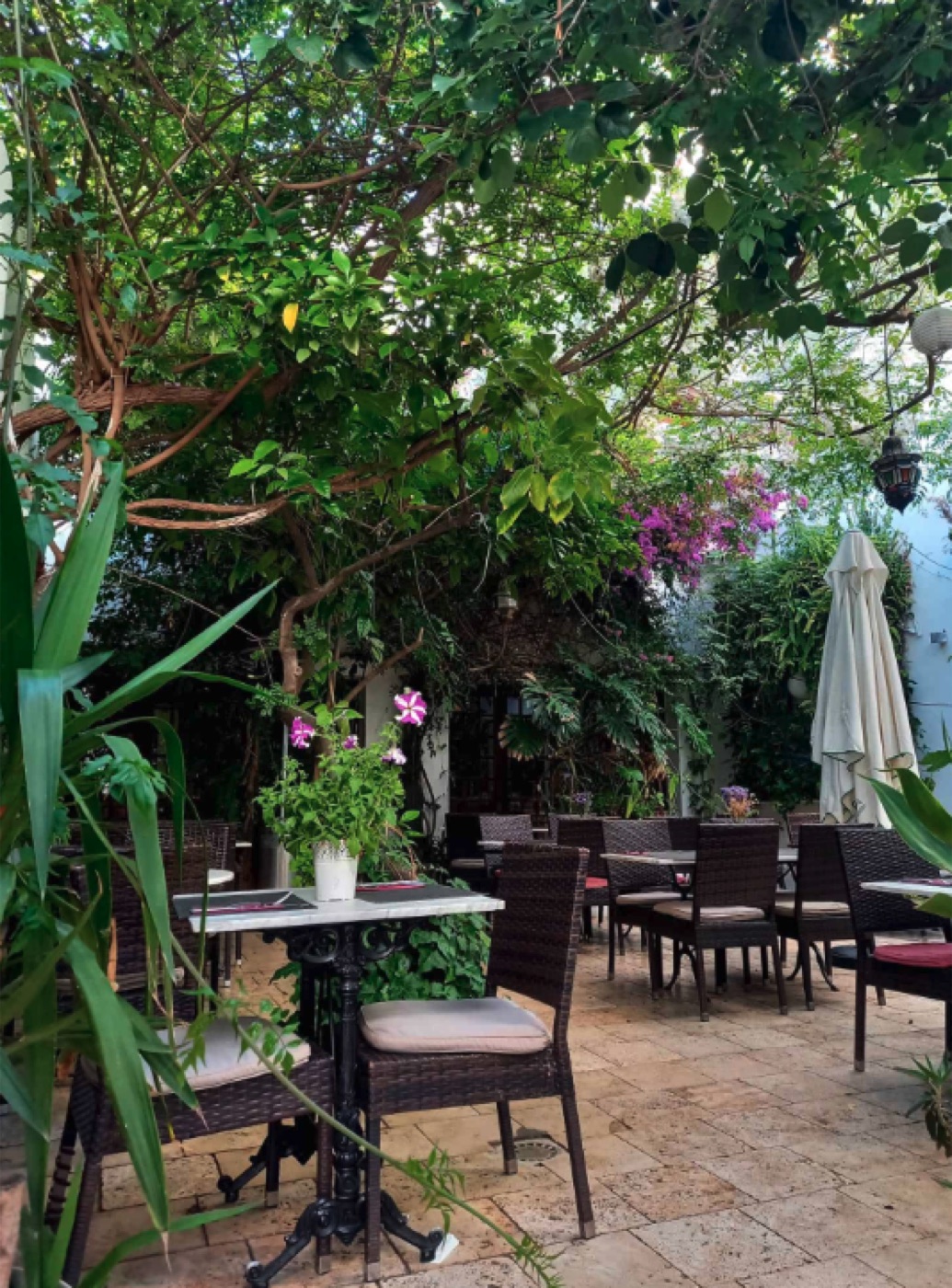
Restaurants in the Tarragona region: The area around Valls, Tarragona, and the Camp de Tarragona has the highest density of calçotada restaurants. Any restaurant in this area that advertises calçots during the season is likely to be the real thing — the dish originated here and the local versions are the most authentic.
In Barcelona itself: Several restaurants in the city do indoor calçotades during the season. The experience is less theatrical than an outdoor farmhouse version, but the food is the same. Look for restaurants in Sarrià, Horta, and the outer barris that advertise calçotades from late January.
Frequently asked questions
What do calçots taste like?
Mild, slightly sweet, and tender — closer to a leek than a sharp onion. The grilling process concentrates the natural sugars and the steaming inside the charred outer layers creates a texture that is soft without being mushy. Without the romesco sauce they are pleasant. With romesco they are memorable.
Can you find calçots outside Catalonia?
Occasionally, in markets and some specialist restaurants in Madrid and Valencia during the season. But calçots are fundamentally a Catalan product tied to a specific growing technique and a specific tradition. The further you travel from Catalonia, the less likely you are to encounter the real thing. The correct approach is to eat them in Catalonia during the season.
Do you need to book a calçotada in advance?
For the popular farmhouse restaurants outside Barcelona, yes — particularly for weekend dates in February and March. The Gran Calçotada de Valls requires planning months in advance if you want accommodation nearby. For restaurants within Barcelona, a week’s notice is usually sufficient outside the peak February weekends.
What wine is served at a calçotada?
Traditionally, young red wine from the Penedès or Priorat region, served in a porró. The wine should be unpretentious — this is not the context for an aged Rioja. The porró-sharing ritual requires something you are comfortable drinking in large quantities communally.
More Catalan food culture? Read our guide to the Bunkers del Carmel picnic with views over Barcelona and our look at the Barcelona vermut trail.
Found a correction or an update?
Email us at hello@spainfoodguide.com — we keep our entries current.
Run a restaurant in Spain you think we should know?
Get featured →