
Santa Cruz is Seville’s historic Jewish quarter and it is also, bluntly, the neighbourhood most likely to take your money and give you mediocre food in return. The Cathedral is here. The Alcázar is here. The tourists are here. And so are the restaurants that exist purely to intercept them.
This does not mean you should avoid eating in Santa Cruz. It means you should know which places are worth your time and which exist to extract money from people who will not come back tomorrow. The difference is visible and learnable.
How to spot a tourist trap in Santa Cruz
The signs are consistent. Menus with photographs. Waiters standing outside soliciting you as you walk past. Window displays showing the food in unnecessary detail. Laminated menus with English listed first. Prices in the 8 to 12 euro range for tapas that should cost 3 to 5 euros in any honest establishment. Locations on the main walking routes directly between the Cathedral and the Alcázar.
None of these things guarantee bad food. Some tourist-facing restaurants cook well. But collectively they indicate a business model built on high turnover from people who arrived via Google Maps and will leave the same way. The staff know you will not return. The kitchen responds accordingly.
Authentic spots do not need to drum up business. They have a regular clientele. The chalk board changes daily because the kitchen works with what is good that morning. The menu is in Spanish because their customers are Spanish. These are the restaurants you want.
Where to eat in Santa Cruz
Bodega Santa Cruz (Las Columnas)
This is the most-recommended genuine tapas bar in Santa Cruz and it earns the reputation. The bar staff chalk your running bill directly on the counter in front of you, which is one of Seville’s older accounting traditions and also one of its more entertaining ones. The pringá montadito is the dish to order here: pulled pork, chorizo, and morcilla slow-cooked together and served on small pieces of toast. The jamón is cut properly. The house wine is honest and cheap. The crowd at the bar is mixed locals and visitors in the ratio that indicates the place is doing something right.
Las Teresas
On Calle Santa Teresa, which is a narrow street one block from the main tourist routes, Las Teresas has been considered one of the best traditional restaurants in the old town for decades. It operates on the principle that the food should be good enough to keep people coming back, and the repeat clientele at any hour of the day suggests this is working. Go early or expect to wait. The jamón ibérico here is worth the price difference from lesser versions. The tortilla de patatas arrives warm and properly set.
Taberna Peregil
Taberna Peregil pioneered vino de naranja in Seville, which is an orange-infused wine specific to the Condado de Huelva region that has become one of the city’s defining drinks. It is light, slightly sweet, and pairs well with cured meats and aged cheese. Order the vino de naranja with a plate of manchego and whatever meat the kitchen is featuring that week. The slow-roasted pork belly, when it appears, is worth ordering over everything else on the menu.
La Azotea
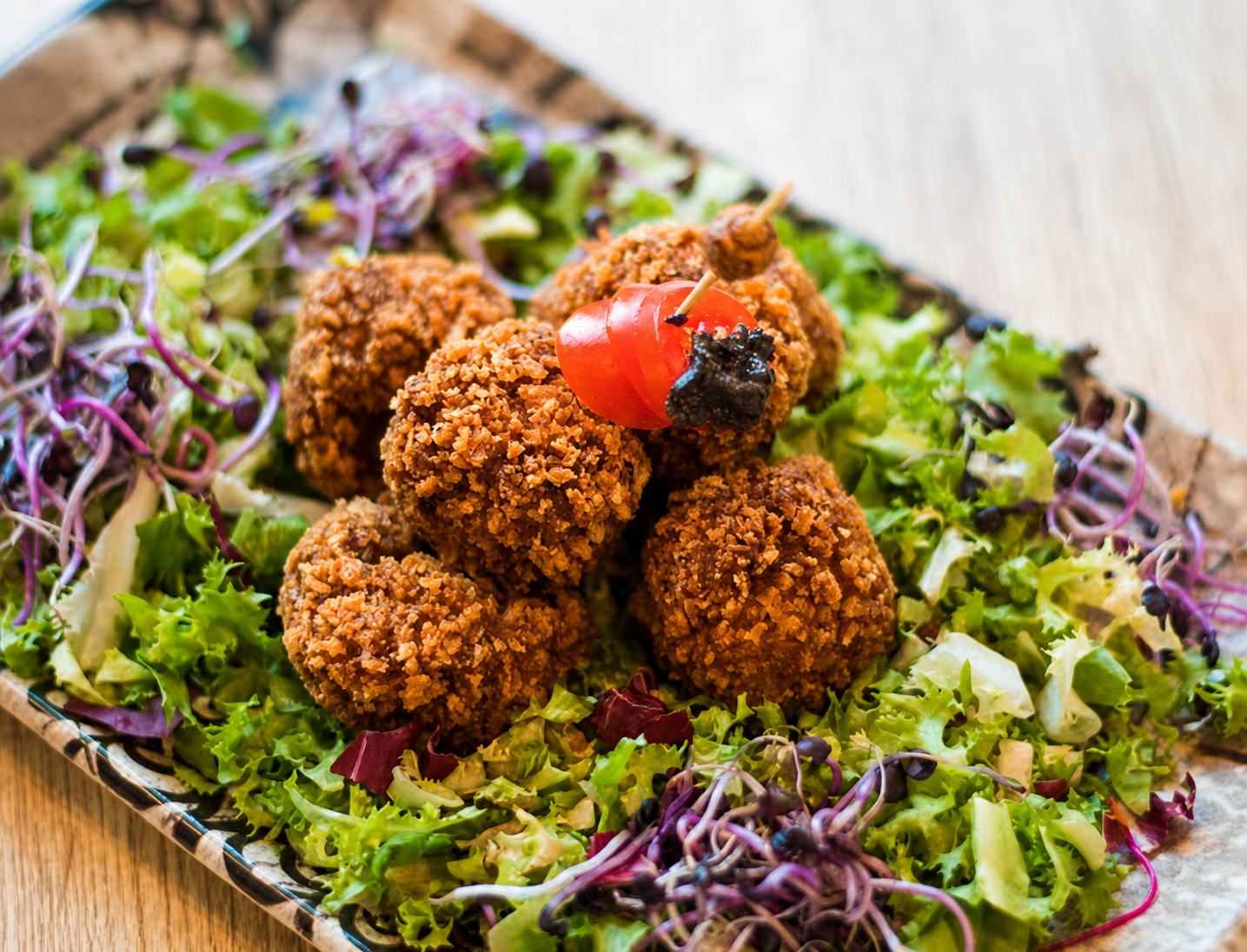
A restaurant that reinvents Andalusian ingredients rather than simply replicating traditional dishes. The kitchen changes the menu frequently enough that there is always something new to try, but the consistent dishes include salmon tartare with Andalusian accompaniments and rotating croquette specials that change by the day. This is not cheap by Seville standards, but it is good by any standard. The kind of place where local food professionals eat when they are not at work.
Vineria San Telmo
On Paseo Catalina de Ribera, which is technically the edge of Santa Cruz near the Murillo Gardens. The kitchen blends Spanish tradition with considered technique. The squid ink pasta with scallops is the signature dish and justifies the ordering even if you are not usually a pasta person. The wine list is better than average for this price range. Book in advance for dinner.
Álvaro Peregil
A small bar near the Cathedral that is easy to miss and worth finding. The kitchen punches above its size with intensely flavoured small plates. Not much seating. The standing-at-bar format is authentic and the food rewards the discomfort of eating on your feet. Order quickly and decisively.
What to order in Santa Cruz
Order the way local residents do. Espinacas con garbanzos is the starter that most visitors skip because it sounds unimpressive. Spinach and chickpea stew with a spiced paste of bread, garlic, and cumin. It is one of the genuinely important dishes in Sevillian cooking and costs around €3.50 at any honest bar.
Jamón ibérico is worth paying for here. The difference between jamón serrano (cured but lower grade) and jamón ibérico de bellota (acorn-fed black pig, extended curing) is not subtle. The fat is different in quality, the flavour is more complex, and the texture has a suppleness that the cheaper versions lack. A small plate costs €8 to €14 depending on quality and is worth the price.
Order house wine rather than specific bottles at tapas bars. The house wine at a decent Seville tapas bar is selected by someone who drinks it regularly and it will be better value than any bottled option in the same price range.
Streets and areas to use as a compass
The streets directly connecting tourist attractions are the danger zones. Calle Mateos Gago, which runs from the Cathedral toward the main tourist concentration, has some honest bars among the tourist traps but requires discrimination. Callejón del Agua, which is one of the narrowest streets in the neighbourhood and runs along the old city walls, is worth walking for the architecture and has several small restaurants that are worth trying.
Plaza Santa Cruz itself, which gives the neighbourhood its name, is surrounded by streets worth exploring. Walk away from the Cathedral in any direction and the ratio of local to tourist restaurants improves within two blocks.
Practical notes
Timing: Lunch from 2pm to 4pm is when local workers eat, which means the authentic bars are full and operating at full capacity. Evening tapas from 8pm onward is the more typical tourist hour but also when the neighbourhood is at its most atmospheric.
Prices: A quality tapa in an honest Santa Cruz bar costs €3 to €5. If you are paying €8 to €12 per tapa in Santa Cruz, you are in a tourist restaurant. The food may be fine. You are paying for location rather than cooking.
Language: Not having an English menu is not a problem. It is an indication that the restaurant expects its customers to already know the dishes. Point at what the table next to you ordered if you cannot read Spanish. This works everywhere.
Frequently asked questions
What is the best restaurant in Santa Cruz Seville?
For traditional tapas, Bodega Santa Cruz (Las Columnas) and Las Teresas are the consistent recommendations. For more creative cooking, La Azotea and Vineria San Telmo are worth the slightly higher prices. All four operate on the basis that quality keeps customers returning.
How do you avoid tourist traps in Seville?
Walk away from the Cathedral. Avoid restaurants with English-first menus, photographs of food in windows, or staff soliciting you from outside. Look for chalk boards with daily specials in Spanish, a crowd of local-looking customers, and prices in the €3 to €5 range for tapas.
What should I eat in Santa Cruz Seville?
Pringá montaditos, espinacas con garbanzos, jamón ibérico, and tortilla de patatas are the core Sevillian dishes that every honest bar in the quarter serves. Order house wine with them. Eat two or three tapas per bar and move on after 30 minutes.
Is Santa Cruz expensive for food?
Tourist-facing restaurants in Santa Cruz are expensive relative to what you get. Honest local bars in the same neighbourhood charge €3 to €5 per tapa. The price gap between the two categories is significant. Knowing which category you are in when you sit down is the most useful skill you can develop in Seville.
What is vino de naranja?
Vino de naranja is an orange-infused wine produced in the Condado de Huelva region near Seville. It is light, lightly sweet, and served chilled. Taberna Peregil is credited with popularising it in Seville. It pairs well with jamón, manchego, and mild cured meats.
Final note
Santa Cruz rewards the people who approach it correctly. The neighbourhood is genuinely beautiful and the best bars and restaurants here are genuinely good. The tourist infrastructure built around the Cathedral and Alcázar has nothing to do with the quality of the cooking in the honest establishments two streets away. Find those places, order what the regulars order, and you will eat very well in one of the most architecturally extraordinary neighbourhoods in Spain.
Heading to Triana as well? Read our full guide to the Triana tapas crawl. Planning for Feria? Find out everything about rebujito before you go.
Found a correction or an update?
Email us at hello@spainfoodguide.com — we keep our entries current.
Run a restaurant in Spain you think we should know?
Get featured →