Madrid doesn’t have the sea, or the mountains, or the world-famous architecture of Barcelona. What it has is restaurants — more of them, better distributed, more consistently excellent than almost any other city in Europe. Madrid takes eating seriously in a way that feels constitutional: the city has been doing this for three hundred years and it shows in every bar that opens at 7 AM and doesn’t close until 2 AM, in every market that still sells to actual cooks, in the fact that the world’s oldest restaurant is here and it still has a queue.
Breakfast: 7:30–9:30 AM
Madrid breakfasts at bars, quickly, standing up. A café con leche and a tostada con aceite y tomate — toasted bread with olive oil and grated tomato — costs under €3 at any neighbourhood bar and is the correct meal. Café Comercial near Bilbao metro is a 130-year-old institution; beautiful room, excellent coffee, the kind of place that makes you feel like you’ve already had a good day by 8:30 AM.
For churros: Chocolatería San Ginés off Calle Arenal has been serving churros with chocolate a la taza since 1894. Go early (before 9) or very late (after midnight when it fills with post-dinner crowd). The hot chocolate is so thick the churro stands upright in it.
Morning market: 9–11 AM
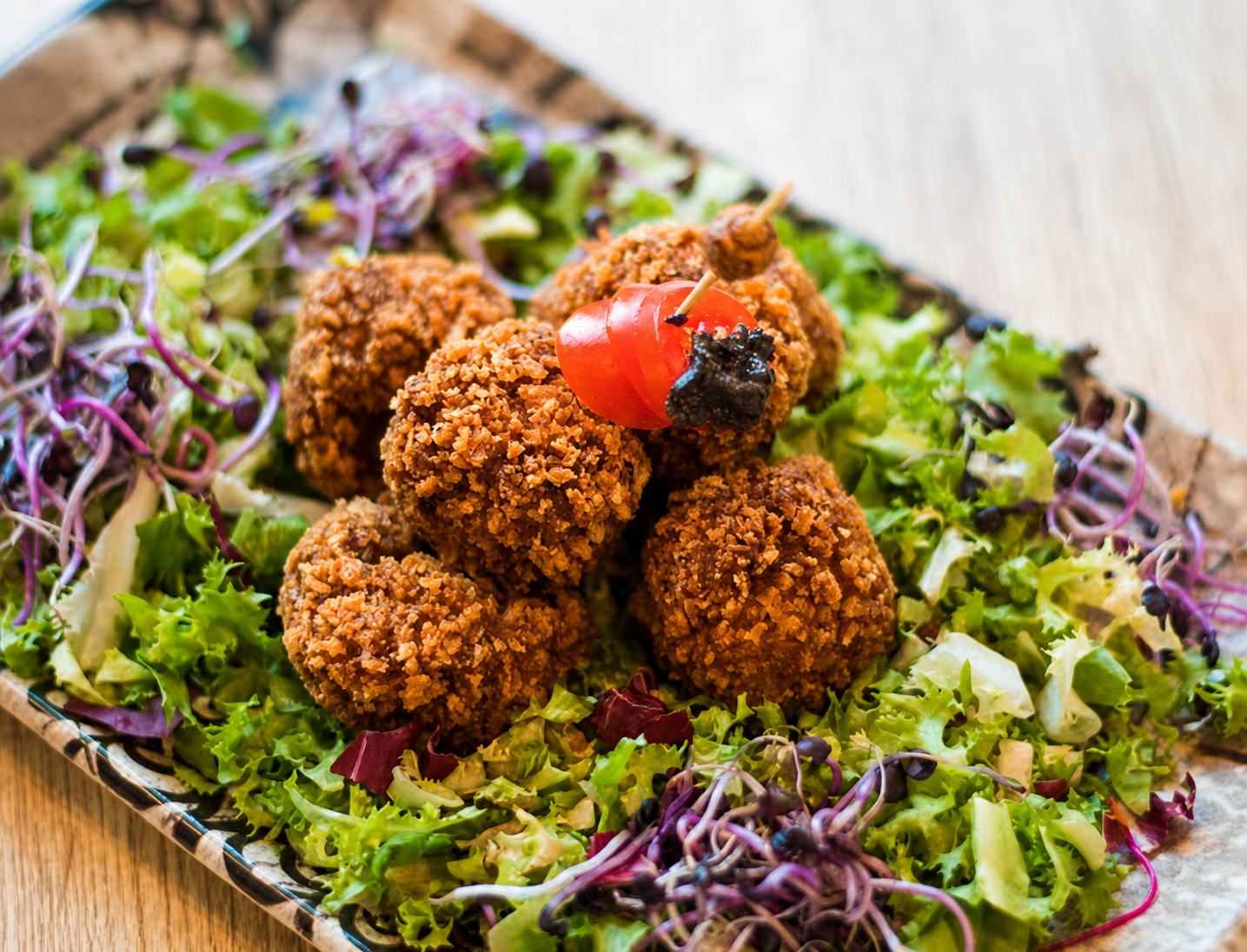
Mercado de San Miguel, just off Plaza Mayor, is the most beautiful market in Madrid and, after 11 AM, the most crowded. Go early. The market was built in 1916 and restored to its original iron structure in 2009; the vendors sell vermouth from the barrel, jamón cut to order, cheese, oysters, croquetas. It is expensive compared to a neighbourhood market, but the quality justifies it and the room is extraordinary.
For a working market: Mercado de la Paz in Salamanca operates like a real food market still should — fishmongers, butchers, a decent bar at the entrance. The neighbourhood is wealthier than the market suggests.
Lunch: 2–4 PM
Madrid’s menú del día culture is as strong as anywhere in Spain. Every working restaurant offers a fixed-price lunch: three courses, bread, wine or water, €12–16. This is what office workers eat. It is also, frequently, outstanding.
Sobrino de Botín on Calle Cuchilleros has been open since 1725 — the Guinness record for the world’s oldest restaurant. The cochinillo (roast suckling pig) and cordero (lamb) come from a wood-fired oven that has been running continuously for three centuries. Book ahead; order the meat.
Casa Dani inside the Mercado de la Paz does one of the best tortillas in Madrid — soft, barely set, onion-forward. Also excellent huevos rotos (broken eggs over fried potatoes with jamón). Queue inevitable, moves fast.
For something contemporary: StreetXO in Salamanca, David Muñoz’s counter-only Asian-Spanish fusion. Book exactly one month ahead (bookings open on the first of each month). Order everything.
Afternoon tapas: 6–8 PM
The pre-dinner tapeo in Madrid is a serious commitment. The neighbourhood of La Latina — specifically Calle de la Cava Baja and its side streets — is the city’s tapas epicentre. El Almendro for tostas and house wine. Casa Lucas for creative small plates that feel more like a restaurant than a bar. Taberna Tempranillo for a serious wine list by the glass.
The trick is to move: two things at one bar, two at the next. That’s how locals do it — the evening is a circuit, not a destination.
Dinner: 9:30 PM–midnight
Madrid’s dinner culture is genuinely late — 10 PM is the normal hour, and restaurants are still seating at 11:30. This is not performance; the city simply runs on this schedule.
Sala de Despiece near Alonso Martínez: a butcher-bar concept where everything on the menu is a cut of something, cooked simply. The tuétano (bone marrow) on toast is the thing to order. Standing room mostly; arrive at 9 on the dot.
For cocido madrileño — the slow-cooked chickpea, meat, and vegetable stew that defines Madrid winter cooking — La Bola on Calle de la Bola does the most traditional version in the city. Wednesday and Friday specials. Book well ahead.
The neighbourhood to stay in
If you can, base yourself in Malasaña or Chueca — both central, both full of the kind of neighbourhood bars that don’t exist in tourist areas, both walkable to everything. La Latina for tapas. Salamanca for fine dining. The centre for markets and history. Madrid is a walking city and the food rewards walkers.
Found a correction or an update?
Email us at hello@spainfoodguide.com — we keep our entries current.
Run a restaurant in Spain you think we should know?
Get featured →