
24 Hours Eating in Seville
Eating in Seville runs on a clock the rest of Europe abandoned fifty years ago. Breakfast is a slice of toast and a tiny coffee. Lunch is a two-hour event at three in the afternoon. The streets empty for a siesta nobody admits to taking. Then, around nine, the city wakes back up and goes looking for tapas. Dinner starts when other countries are brushing their teeth.
A day here is not a parade of tasting menus. It is a loop through whitewashed neighbourhoods, ceramic-tiled bars, and one rooftop that looks over the cathedral. Do it right and you finish the day lighter on cash, heavier in flavour, and convinced Andalusia is the best-fed corner of Spain. Follow this itinerary for one full day of eating in Seville, timed to the local rhythm and built around places that have been earning their reputation for decades.
TL;DR: One day of eating in Seville
- 9am. Tostada con tomate and a cortado at a tiled neighbourhood bar near Plaza de la Alfalfa.
- 11am. Brunch at La Cacharrería, then a stroll through Mercado de Triana across the bridge.
- 2pm. Salmorejo, carrillada and a menú del día at Bodeguita Romero or a long lunch at El Rinconcillo, founded in 1670.
- 5pm. Siesta. Nap or walk the Barrio Santa Cruz in the quiet hour.
- 8pm. Tapas crawl: Plaza del Salvador for a cold beer outside, La Azotea for modern plates, Eslava for the famous honey-glazed pork rib.
- 10:30pm. Late dinner at Cañabota (Michelin-starred seafood) or MaríaTrifulca on the Triana bridge.
Budget for a careful eater: 80 to 110 euros. Distance walked: around seven kilometres, almost all of it shaded.
9am: Tostada con tomate and a cortado
The Sevillano morning is small and fast. There is no almuerzo here, no jamón-stuffed baguette the size of a forearm. Breakfast is a pressed half-baguette, rubbed with tomato, finished with olive oil and a shake of salt. Locals stand at the bar, fold a newspaper, and are out the door in twelve minutes.
Aim for a corner bar on Calle Alfalfa, around Plaza del Pan, or any tiled place in Santa Cruz that has older men drinking cortados at seven in the morning. Order a tostada con tomate with aceite de oliva virgen extra, or level up to a mollete, the soft, flat bread roll from Antequera, split, toasted, and smeared with pork fat and zurrapa de lomo. Price: 2 to 3.50 euros. Coffee: 1.50 euros. No tipping required.
The rules are relaxed but the rhythm matters. Do not sit at a table unless you want to pay the table surcharge. Do not ask for butter. The olive oil is the butter. If the cook offers you a splash of manteca colorá (paprika-stained lard), say yes. This is breakfast in Andalusia, not a cafe in Paris. Eat fast, drink your coffee standing, and save room. Lunch is still five hours away and it is the main event.
11am: La Cacharrería, Mercado de Triana
By eleven the city is warm and the serious food shopping is happening on both sides of the river. For a second breakfast with a bit more staging, walk to La Cacharrería on Calle Regina, a rustic-chic spot that runs one of the best breakfast menus in the city. The format is French toast with berries, sourdough with smashed avocado, salmon on seeded bread, fresh juice, properly pulled flat whites. Arrive before noon or the queue on the cobbles will beat you. Plates sit around 7 to 11 euros.
Then cross the Triana Bridge. The Mercado de Triana stands on the ruins of the Castillo de San Jorge, the old seat of the Spanish Inquisition, and it has been a food market since 1823. Inside are around seventy stalls of fish, ham, olives, octopus, sherry, flamenco ceramics. The rhythm is commerce until one, then the bar stools fill and the market becomes a tapas floor. Come in the morning for a proper look, then stay.
Order at Bar La Muralla or one of the stalls with a plancha, and ask for three things:
- Cazón en adobo: marinated shark dogfish fried in chickpea flour, crunchy and vinegary.
- Puntillitas: tiny whole squid the size of a thumbnail, deep-fried, eaten with lemon.
- Un fino: a small glass of dry sherry from Jerez, 2 to 3 euros, colder than the tiles.
Triana is the old potter’s and flamenco neighbourhood, and eating here feels different from the centre. More working-class, more local. Stay until the market closes at 3pm, then walk back over the river for lunch.
2pm: Salmorejo, carrillada and the menú del día
Lunch in Seville does not begin before two and rarely ends before four. Most kitchens then shut until eight. This is the slot that actually matters. If you only have one real meal in the city, make it this one.
Two directions from here. For the working tapas-bar option, head to Bodeguita Romero on Calle Harinas, a few minutes west of the cathedral. Seventy tapas on the board. The house is built around the award-winning pringá montadito, slow-cooked pork, morcilla and manteca pressed into a hot bun the size of your fist. Order it, then the carrillada ibérica (melting pork cheek in red wine reduction), the aliñás (marinated potatoes with tuna belly), and a glass of oloroso sherry from the list of more than one hundred references from Jerez. Bill for two people with wine: around 35 to 45 euros.
For something older and heavier, walk fifteen minutes north to El Rinconcillo, founded in 1670 on Calle Gerona. This is the oldest bar in Seville and, by most accounts, one of the oldest in Spain. Dark wood cabinets, bottles stacked to the ceiling, azulejo tiles the colour of dried tobacco. The waiter chalks your bill on the bar in front of you, the same way it has been done for three and a half centuries. Order the espinacas con garbanzos (chickpeas with spinach and cumin), the pavía de bacalao (battered cod fingers), and the house carrillada. The salmorejo is essential.
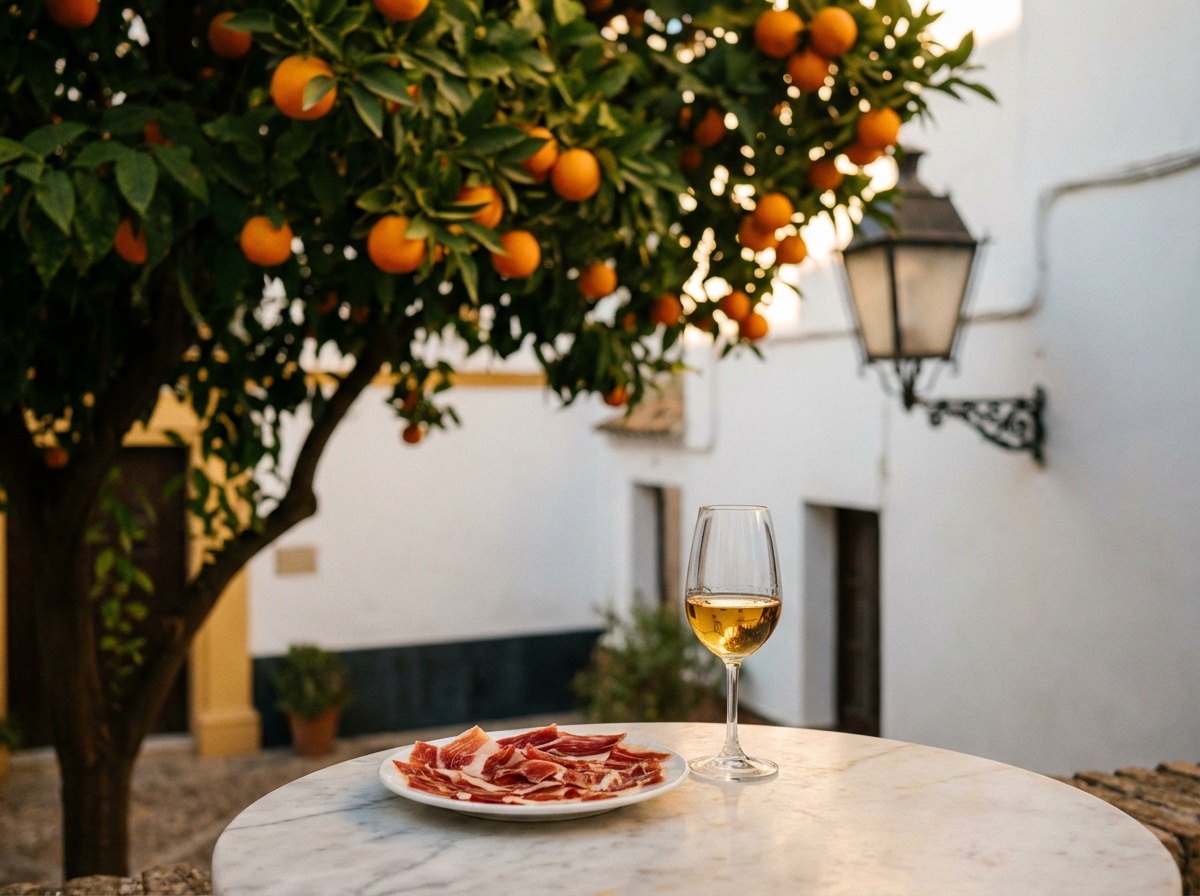
Quick note on the soup. Salmorejo is not gazpacho. It is the thicker, denser, bread-bound cousin from Córdoba, served with chopped jamón ibérico and a grated hard-boiled egg on top. Gazpacho you drink from a glass. Salmorejo you eat with a spoon. In Seville, in summer, you will want both. For the cold-soup primer, see our Andalusian gazpacho recipe, then come back and order salmorejo.
If you want a set-price option, ask for the menú del día. Most traditional bars in Triana and the Macarena offer one, typically 13 to 18 euros, two courses plus a dessert and a small glass of wine or beer. It is the best-value meal in the country.
5pm: Siesta, then Barrio Santa Cruz
After lunch, the city closes. Shops roll down their shutters, bars clear their tables, the afternoon heat chases everyone indoors. This is the siesta, and it is real, even if nobody will admit to napping. Use the hour.
Three options. Walk the Barrio Santa Cruz, the old Jewish quarter, now a maze of bitter-orange trees and lime-washed lanes shaded so completely that the temperature drops four degrees. Stop at Plaza de Doña Elvira for an agua de Sevilla (pineapple juice, cava, cream, citrus). Or cross the river and sit in a hammock at the Alameda. Or actually sleep. The tapas crawl starts late and you need the reserve.
Do not look for a serious meal between five and eight. Kitchens are closed. Bars are serving drinks only. The city is on pause and fighting it is pointless.
8pm: Sunset tapas crawl
This is the signature move of eating in Seville. Ir de tapeo means bouncing between four or five bars in an evening, ordering one or two small plates at each, paying as you go, never sitting down. It is cheap, social, and it is how Sevillanos actually eat when they go out.
Start at Plaza del Salvador, the square behind the pink-stoned church of the same name. A row of tiny bars, La Antigua Bodeguita among them, pours cold Cruzcampo onto plastic trays and customers stand in the square with their drinks. A beer and an espinacas con garbanzos costs under six euros. Ten minutes, one plate, move on.
Walk eight minutes north to La Azotea on Calle Jesús del Gran Poder, the original of four sister bars. La Azotea runs one of the most interesting tapas kitchens in the city, with a menu that rotates every month. Eat at the bar where you can see the kitchen and order:
- Carpaccio de presa ibérica with parmesan and pine nuts.
- Tataki de atún rojo with soy and wakame.
- Risotto de boletus with truffle oil.
Expect 18 to 25 euros per person with a copa of Ronda red.
Ten minutes further north, in the San Lorenzo neighbourhood, is Eslava, founded in 1988 and still the benchmark for modern Seville tapas. This is where the city’s most famous single bite lives: the huevo sobre bizcocho de boletus con vino caramelizado, a slow-cooked egg on a moist mushroom cake with a caramelised wine reduction. It won the Seville Tapas Prize and never left the menu. Order it, then the honey-glazed pork rib (costilla glaseada con miel de caña) which is crisp on the edge and falling off the bone, and the cigarro de boquerones, a crisp filo roll of marinated anchovies with a squid-ink dipping sauce. Eslava does not take reservations. Arrive before 8:30pm or queue.
Three bars. Three plates each. Two hours. Around 40 to 55 euros a head. This is the Seville everyone tells you about.
10:30pm: Dinner, finally
In Seville, 10:30pm is not a late dinner. It is dinner. Kitchens in the centre routinely serve last orders at midnight. Two strong options.
For the serious meal, book Cañabota on Calle Orfila, three blocks from the Alameda. Opened in October 2016, Cañabota holds one Michelin star in the 2026 Guía MICHELIN España and is the best seafood restaurant in the city. The format is a long marble counter facing an open grill, a fishmonger’s case at the entrance, and a menu that changes daily based on what arrives from the Atlantic and the Mediterranean. Expect carabineros, gambas blancas de Huelva, whole turbot over embers, and a chilled glass of manzanilla from Sanlúcar. Tasting menu runs 95 euros, à la carte 70 to 90 per person. Book ten days out.
For a softer, view-led dinner, walk to MaríaTrifulca at the foot of the Triana Bridge. The white building at the end of the bridge houses a rooftop terrace directly over the Guadalquivir, with the lit bell tower of the Cathedral framed on the far bank. The kitchen leans Mediterranean with a focus on bluefin tuna and Atlantic sea bass. Reservations are tight; the restaurant runs two dinner shifts at 8:00 or 8:30pm (with two hours to dine) and a late seating at 10:30pm. Take the late one, order the tuna tartare and grilled sea bass, and drink a glass of Condado de Huelva. Around 55 to 75 euros per person.
Either way, walk home slowly. In Seville that last stretch along the river, under the palms, with dinner settling, is as much the meal as anything on the plate.
Common mistakes travellers make
- Eating lunch at 1pm. The kitchen is not open yet. You will be the only person in the room. Wait until 2.
- Booking dinner for 7:30pm. Almost nothing serves at that hour. Aim for 9:30 or later and you will eat where locals eat.
- Ordering sangria. Sevillanos drink tinto de verano (red wine and lemon soda) or a rebujito (manzanilla and Sprite), especially during Feria. Sangria is a tourist invention.
- Skipping the sherry. Seville sits an hour from Jerez. Order a fino with cured fish and an oloroso with pork cheeks. This is the single best food-and-drink pairing in Spain.
- Standing out on the terrace. Prices jump 10 to 20 per cent once you sit outside. Eat at the bar. Save the euros for another plate.
FAQ: Eating in Seville
Where do locals eat breakfast in Seville?
At a tiled neighbourhood bar, standing at the counter, eating a tostada con tomate with olive oil and drinking a cortado. The breakfast is deliberately small because lunch is the day’s main meal.
What is the difference between salmorejo and gazpacho?
Salmorejo comes from Córdoba and is thick with bread, eaten with a spoon, topped with jamón and egg. Gazpacho is looser, blended with cucumber and pepper, often drunk from a glass. Both are cold, both live on Seville menus in summer.
Where should I go for tapas in Seville in the evening?
Start at Plaza del Salvador for a cold beer outside, move to La Azotea for modern plates, finish at Eslava in the San Lorenzo neighbourhood for the award-winning honey-glazed pork rib and the slow-cooked egg on boletus cake.
What time do Sevillanos eat lunch and dinner?
Lunch runs from 2pm to 4pm. Dinner starts around 9:30pm and kitchens serve until midnight in the centre. Between 4pm and 8pm most kitchens are closed for siesta.
Which Michelin-starred restaurant should I book in Seville?
Cañabota on Calle Orfila holds one Michelin star in the 2026 Guía and is the best seafood restaurant in the city. The grill runs daily based on market fish. Book at least ten days in advance.
Is El Rinconcillo really the oldest bar in Spain?
El Rinconcillo has been serving wine and food on Calle Gerona since 1670. It is almost certainly the oldest bar in Seville and among the oldest continuously operating bars in Spain. The waiter still chalks your bill on the wooden counter.
How much should I budget for a full day of eating in Seville?
A careful eater spends 80 to 110 euros across breakfast, lunch, a tapas crawl and a good dinner. Skip one meal or trade Cañabota for MaríaTrifulca and the day comes in under 75 euros.
Do I need to tip in Seville restaurants?
No obligation. Rounding up the bill or leaving one or two euros per person is generous. Service is included in the price across Spain.
The takeaway
Eating in Seville rewards patience and local timing. Breakfast small. Walk through a market. Sit down for the real lunch. Surrender to the siesta. Then let the evening run long, tapas bar to tapas bar to one late dinner over the river. The city does not rush and neither should you. For a broader look at the region, see our full Seville destination guide, or cross the country for our paired guide to eating in Valencia.
Come hungry. Come curious. Come late.
Found a correction or an update?
Email us at hello@spainfoodguide.com — we keep our entries current.
Run a restaurant in Spain you think we should know?
Get featured →