
24 Hours Eating in Málaga: A Local Food Itinerary
Málaga gives you one day and rewards you for every hour you spend at a table. Breakfast inside a Moorish gate. Sardines crackling over a beach fire. Moscatel poured from an oak barrel by a waiter in a white coat. This itinerary shows you how to eat Málaga the way locals eat it, from a market coffee at nine in the morning to a Michelin tasting menu at ten at night.
You do not need a car. Everything sits inside a ten-minute taxi from the cathedral. You only need a good appetite and a willingness to eat five times in twelve hours. Málaga expects both.
Quick Answer: What to Eat in Málaga in One Day
Start at Mercado de Atarazanas with a tostada and fresh juice. Walk to Antigua Casa de Guardia for a morning glass of moscatel. Take a bus east to Pedregalejo or El Palo for espeto de sardinas on the beach at lunch. Return to the centro histórico for tapas at El Pimpi, Uvedoble, and Bar La Tranca. Finish at José Carlos García, Málaga’s one-star Michelin restaurant on the port. Five stops. One perfect day of Málaga food.
Why Málaga Eats Differently to the Rest of Andalusia
Most of Andalusia cooks with pork and sherry. Málaga cooks with fish and sweet wine. The coast shaped everything. Fishermen still pole sardines onto cane spikes and roast them over driftwood fires on the sand. Farmers still grow moscatel grapes on the slopes above the city and press them into the amber wine Byron praised in the nineteenth century.
The food is simpler than you expect. Almonds, garlic, tomato, bread, olive oil, salt, fish. That is most of the pantry. The city builds flavour through quality and heat, not complication.
You taste this the first time a plate of pescaíto frito lands in front of you. The fish weighs almost nothing in your fingers. The oil is clean. The salt is exactly right. You understand why people fly in just to eat here.
9:00 AM: Breakfast Inside a Moorish Gate at Mercado de Atarazanas
Start at Mercado Central de Atarazanas. The entrance is a fourteenth-century Moorish arch, the last fragment of the old shipyards that once stood here. The Guardian once named it one of the ten most beautiful markets in the world, and you understand why the moment you walk in.
The market opens Monday to Saturday, 9am to 2pm. Go early. By eleven the place is loud and the best produce is already boxed up.
Head straight to the central bar area where locals order breakfast standing up. The menu is short and perfect.
- Tostada con tomate y aceite: around €2.50
- Café con leche: around €1.50
- Freshly squeezed orange juice: around €2
- A glass of cold Málaga Virgen: around €2
Order the tostada. Thick slices of toasted bread, grated ripe tomato, a generous slick of Antequera olive oil, flaked salt. This is breakfast in Málaga. Nothing more. Nothing less.
Before you leave, walk the three naves. The fish section on your right shows you what lunch looks like everywhere in the province. Red prawns from Motril, fresh sardines glistening in trays, hake, squid, anchovies. The meat and cheese stalls sell local Payoyo cheese from the Cádiz mountains and paper-thin slices of jamón ibérico cured inland. Buy a few things for later. A small tub of salted almonds travels well.
11:00 AM: Morning Wine at Antigua Casa de Guardia (Founded 1840)
Three minutes from the market, on Alameda Principal 18, sits Málaga’s oldest wine bar. Antigua Casa de Guardia has been pouring sweet local wine since 1840. Pablo Picasso drank here as a young man. Almost nothing about the bar has changed.
A wall of dark oak barrels runs the length of the room. Each barrel wears a chalk name. Moscatel. Pedro Ximénez. Seco Añejo. Pajarete. Lágrima. The waiters wear white coats and chalk your tab directly onto the wooden counter as you order.
You stand. There are no stools. You order by pointing at a barrel.
Try a small glass of moscatel first. It is sweet, but not heavy. Honey, dried apricot, a whisper of orange peel. This is the wine that built Málaga’s fortune for three hundred years before phylloxera wiped out most of the vines in the 1870s. The style survived. So did the bar.
Pair it with a slice of local cheese or a few olives. The waiter will add the cost in chalk. When you are ready to leave, he totals it up, wipes the counter clean, and you pay at the door.
This is not a tourist stunt. Málagueños come here at all hours. A glass costs roughly €2. You can afford to try three.
1:00 PM: Sardines on the Beach in Pedregalejo or El Palo
Grab a taxi or the number 11 bus east along the coast. Fifteen minutes later you are in Pedregalejo, and the smell of woodsmoke arrives before the beach does. Keep going another ten minutes and you reach El Palo, the old fishing village that never quite stopped being one.
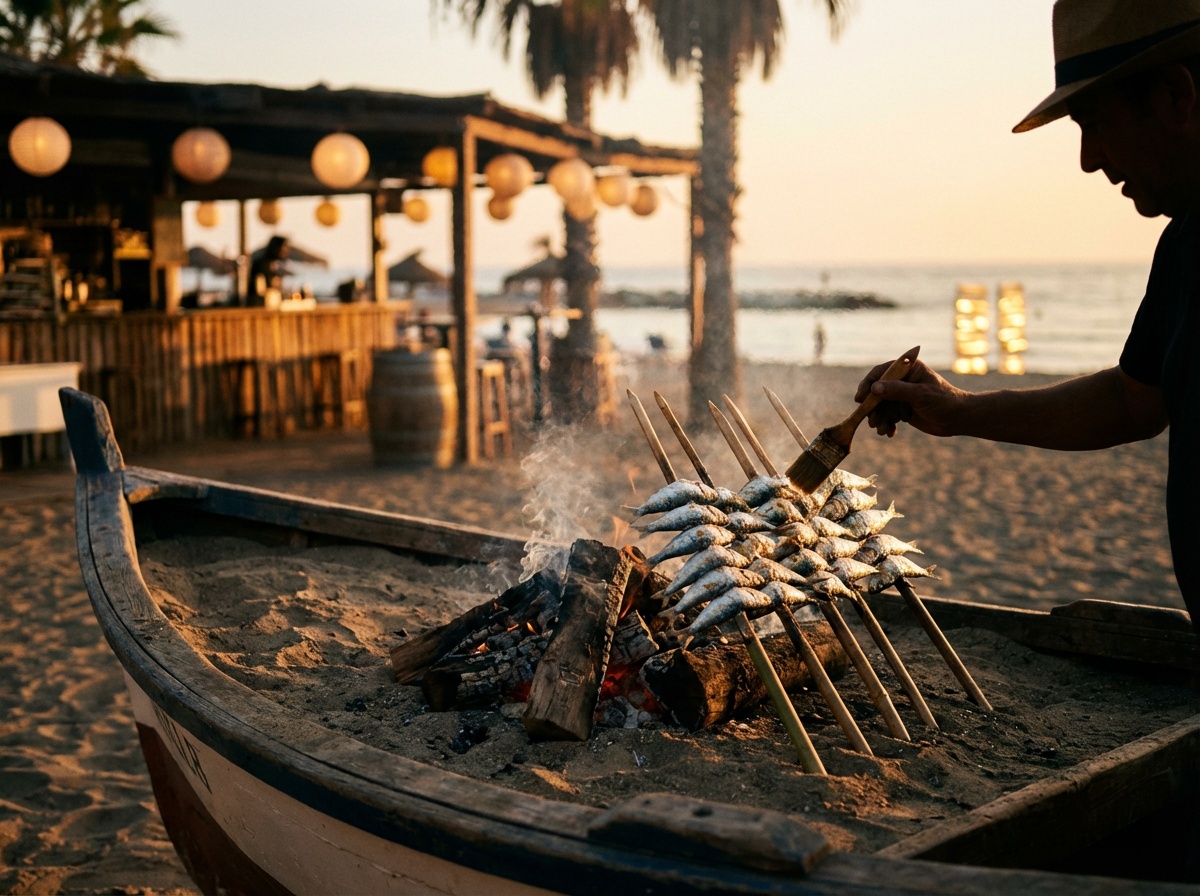
This is where you eat espeto de sardinas. The dish is a Málaga icon. Six fresh sardines threaded onto a cane skewer, salted, stabbed into sand next to a half-buried wooden fishing boat full of burning olive wood, and roasted on one side until the skin crisps, then turned for thirty seconds more. Nothing else. No sauce. No seasoning beyond coarse salt.
The chiringuito scene stretches along both neighbourhoods. A few names worth knowing, drawn from Hola’s 2025 ranking and the Guía Repsol list for Pedregalejo:
- Chiringuito El Merlo (Pedregalejo): espetos for around €2 each. Beachfront, family-run, the classic.
- Los Cuñaos (Pedregalejo): six espetos for about €4. Big portions, local crowd.
- El Caleño (Pedregalejo): Repsol-recommended, around €5 an espeto, famous for the charcoal flavour.
- Restaurante Gabi (El Palo): espetos at €4, prawns by the kilo, the paseo marítimo view.
- Chiringuito Las Acacias (El Palo): €4 espetos, busy at weekends, properly old school.
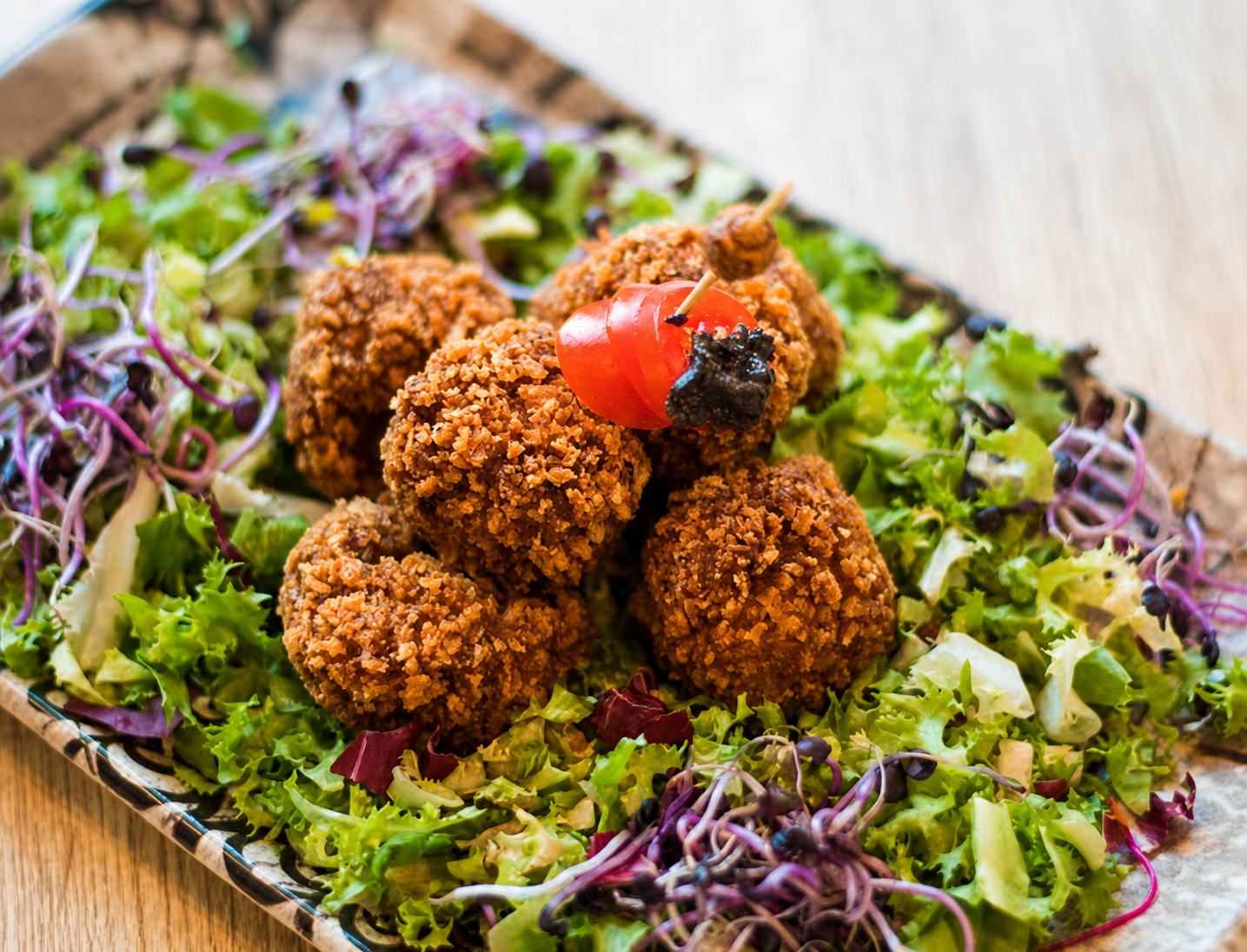
Order espetos for the table. Add a plate of pescaíto frito. Málaga fries small fish better than anywhere else in Spain. Anchovies, red mullet, tiny squid, all dusted in fine flour and cooked in clean, hot olive oil until the batter shatters. Eat them with your fingers. Squeeze lemon over the top. Drink cold Victoria beer or a chilled tinto de verano.
A grilled red pepper on the side is almost mandatory. So is a plate of boquerones en vinagre. You are eating the sea. Do not rush it.
4:00 PM: A Proper Málaga Lunch Dish, Ajoblanco or Porra Antequerana
If you still have room, or if the beach heat catches up with you, stop back in the centre for something cold and restorative before the evening begins. Two dishes are the answer.
Ajoblanco is Málaga’s white gazpacho. Blanched almonds, stale bread, garlic, good olive oil, a splash of sherry vinegar, cold water, salt. Served ice-cold with a few muscat grapes and a drizzle of oil on top. The almond fat makes it silky. The garlic gives it edge. Older than gazpacho itself, rooted in the Moorish period.
Porra antequerana comes from Antequera, an hour inland. Think of it as gazpacho’s thicker cousin. Ripe tomatoes, bread, garlic, peppers, olive oil, blended until it turns into a terracotta-coloured cream. Served in a shallow bowl with chopped jamón serrano, hard-boiled egg, and tuna on top. One spoonful tells you why Málagueños eat this four days a week in summer.
Many tapas bars in the centro histórico serve both. A small bowl runs €4 to €6. Order porra antequerana with a glass of cold fino sherry and you have the best €8 meal in Spain.
7:00 PM: Tapas Crawl Through Centro Histórico
The old town of Málaga is made for a tapas crawl. Narrow streets, marble-topped counters, chalk menus, a glass of verdejo in each hand. Start near the cathedral and work your way out.
El Pimpi
Start at El Pimpi, Málaga’s most famous tavern. Calle Granada 62. Opened in 1971 inside an 18th-century mansion. The walls carry signed photographs of Antonio Banderas (a local owner), the Picasso family, and half of Spain’s cultural establishment.
It is touristy. It is also genuinely good. Order:
- Pimientos asados with crumbled goat cheese
- Berenjenas con miel de caña, the aubergine with cane molasses that defines Málaga
- A plate of jamón de Trevélez
- A glass of house Pedro Ximénez, on the rocks
Eat on the terrace if you can, under the giant oak wine barrels signed by visiting celebrities.
Uvedoble
Walk five minutes to Uvedoble, calle Císter, next to the Alcazaba. This is the creative end of Málaga tapas. The kitchen plays with local produce in modern ways without losing the soul. The tortilla line is lively on social media for a reason. Order the oxtail brioche, the salmorejo with white anchovy, the tuna tataki with local tomato. Small plates, sharp flavours, no fuss.
Bar La Tranca
End on Calle Carretería at Bar La Tranca, the antidote to anywhere polished. Tiny, loud, packed. The speciality is homemade vermouth poured from a siphon with soda. Order a caña, a vermut de la casa, and whatever free tapa the bartender slides across the counter. Live flamenco happens some nights without warning. Entire families sing together. You are now properly in Málaga.
10:00 PM: Optional Late Dinner at a One-Star Michelin
If you still have appetite and budget, cap the night at José Carlos García on Muelle Uno, the yacht-lined port promenade five minutes from the cathedral.
One Michelin star in the 2026 España Guide. A Málaga native chef with thirty years of experience championing local produce. The dining room sits right on the water. Vertical gardens climb the walls. The terrace reopened for the summer 2025 season, and eating outside with the yachts lit up beyond the railing is one of the best seats in Andalusia.
There is no à la carte. Two tasting menus run through autumn and winter 2025–26:
- Standard tasting menu: €159.50
- Menú José Carlos García: €235.50
Expect red prawns from Motril, local almadraba tuna, cold almond soups reimagined, Málaga sweet wine pairings that tie the evening back to everything you drank earlier in the day. Book at least two weeks ahead. Euro Weekly News covered the 2025 reopening if you want the full picture before booking.
If a tasting menu is not your speed, the same port district has solid alternatives. Oleo, TGB’s nicer sister, or a late seafood dinner at Los Mellizos on Calle Sancha de Lara. Either closes out the day well.
Common Mistakes to Avoid on a Food Day in Málaga
A few things trip up first-timers. Sidestep these and you eat better.
- Do not eat espetos before noon. The beach fires are not usually lit until late morning. Plan seafood as a proper lunch, not an early snack.
- Do not visit Atarazanas on a Sunday. The market is closed. Saturday morning is the best day to go.
- Do not order sangría. No one local drinks it. Order tinto de verano instead, or a glass of Málaga moscatel.
- Do not fill up at the first tapa. Tapas crawls mean three to four stops. Small plates. One glass per bar.
- Do not skip the cold soups because they sound strange. Ajoblanco and porra antequerana are some of the best things you will eat all trip.
Frequently Asked Questions
What should I eat on a one-day visit to Málaga?
Start with a tostada and fresh juice at Atarazanas market. Drink a morning moscatel at Antigua Casa de Guardia. Eat espeto de sardinas on the beach in Pedregalejo or El Palo at lunch. Have a cold bowl of ajoblanco or porra antequerana in the afternoon. Finish with tapas in the centro histórico at El Pimpi, Uvedoble, and Bar La Tranca, and optionally a Michelin dinner at José Carlos García.
Where do locals eat espeto de sardinas in Málaga?
Locals head east to Pedregalejo or El Palo. Top-rated chiringuitos in 2025 include Chiringuito El Merlo, Los Cuñaos, Miguelito El Cariñoso, and El Caleño in Pedregalejo, plus Restaurante Gabi and Chiringuito Las Acacias in El Palo. Prices run from €2 to €5 per espeto.
Is Atarazanas market a good place for breakfast in Málaga?
Yes. The bars inside Mercado de Atarazanas serve coffee, fresh juice, tostadas and small tapas at local prices. A tostada con tomate costs around €2.50 and a café con leche around €1.50. The market opens Monday to Saturday from 9am to 2pm and is closed Sundays.
What is Málaga sweet wine and where do you drink it?
Málaga sweet wine is made mainly from moscatel and Pedro Ximénez grapes grown on the hills above the city. The styles range from light and floral to dark, raisiny and intense. The most historic place to taste it is Antigua Casa de Guardia, open since 1840, where wines are poured straight from oak barrels into small glasses.
Which restaurant in Málaga has a Michelin star?
José Carlos García, located on Muelle Uno by the port, holds one Michelin star in the 2026 España guide. The restaurant offers two tasting menus at €159.50 and €235.50 for autumn and winter 2025–26. Chef José Carlos García is a Málaga native with over thirty years of experience.
How much should I budget for a food day in Málaga?
A full food day without the Michelin dinner runs €60 to €90 per person, covering breakfast, wine tasting, a beach lunch with espetos and pescaíto, a cold soup stop and a tapas crawl. Add the José Carlos García tasting menu and plan on €220 to €320 per person including wine pairings.
Is Málaga a good food city compared to Seville or Granada?
Málaga holds its own and then some. The seafood is better than anywhere inland. The sweet wine tradition is unique. The tapas scene in the centro histórico is less touristy than Seville’s and sharper than Granada’s. Málaga also has a Michelin-starred restaurant inside the city itself, which Granada lacks.
Plan Your Málaga Food Trip
One day tells you why Málaga has become one of Europe’s most exciting food cities in the last decade. Come for a long weekend if you can. Stay closer to the centro histórico for the old-town mornings, then taxi east to the beach neighbourhoods for the fish. Book José Carlos García two weeks out. Save room for a second round of espetos.
For more Spanish food itineraries, read our full Málaga destination guide, explore our Andalusian tapas bar round-up, dive into our sherry and sweet wines guide, or plan the next stop with our Seville food itinerary. The best way to eat Spain is to keep going.
Found a correction or an update?
Email us at hello@spainfoodguide.com — we keep our entries current.
Run a restaurant in Spain you think we should know?
Get featured →